Hokkaido
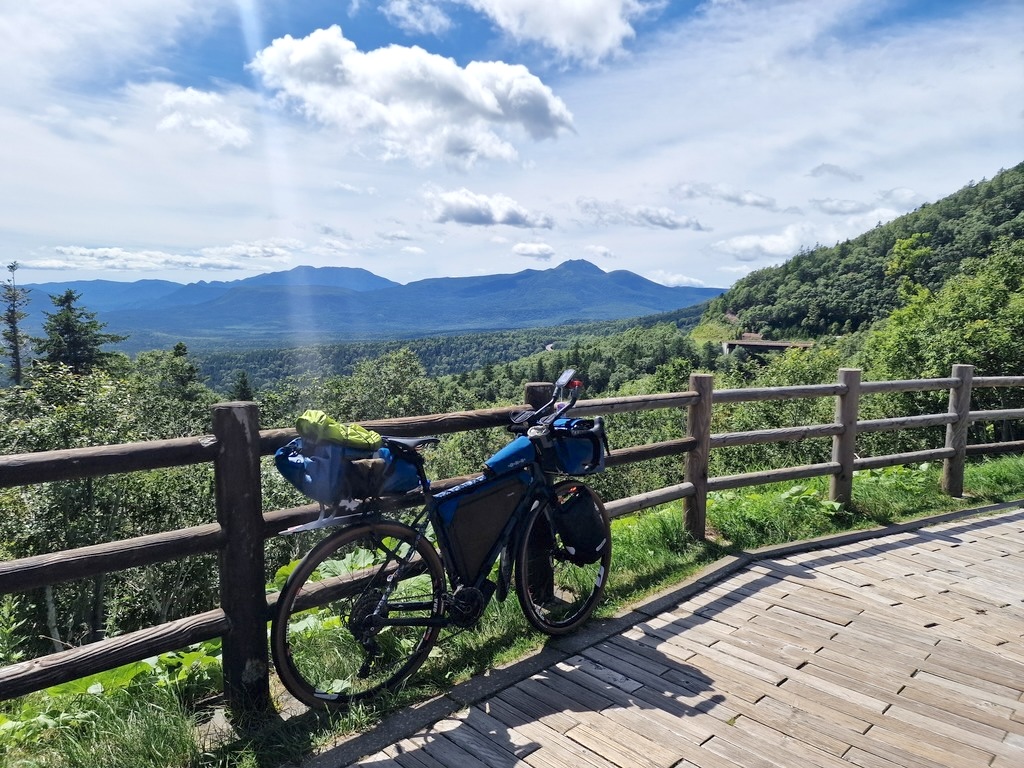 Coming out of the tunnel to this view at Mikuni pass was magically
This post is the first part of a three-part series from my three month long trip to Japan in the fall of 2025. I’ve made a collection post under Three months in Japan. Here you can read a short introduction, and what gear I used for my trip.
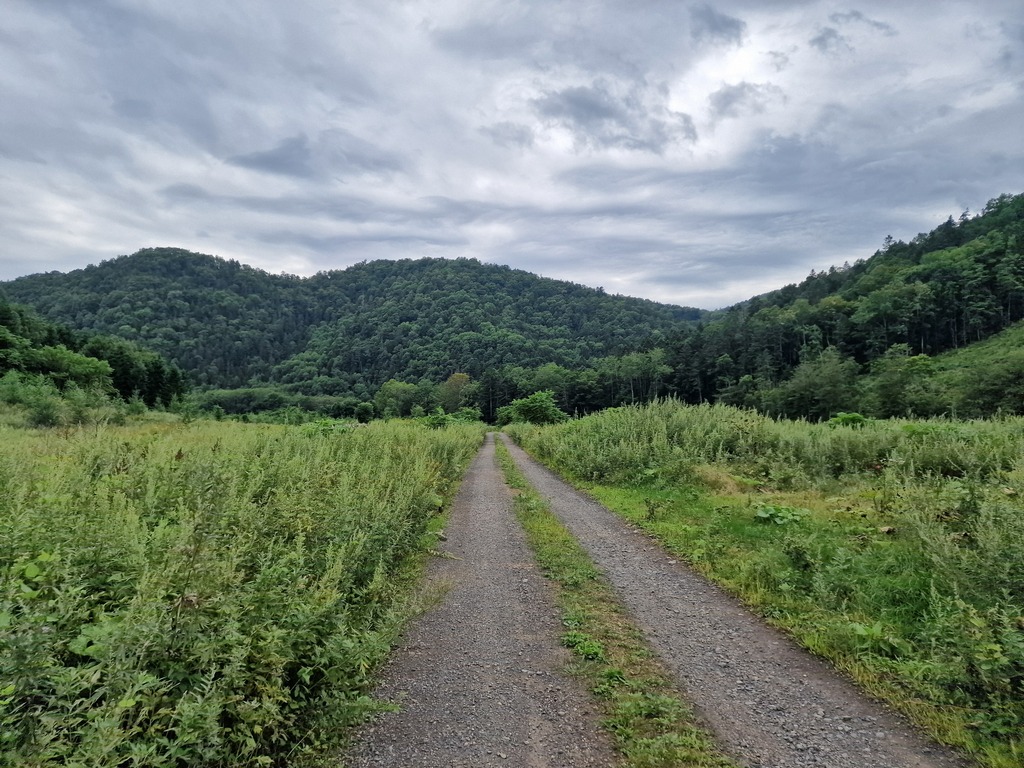 I was really looking forward to exploring gravel roads up here in the north
This post is about my trip to Hokkaido, so I will try to write it in the context of the time I spent there, and for someone that would like to cycle in Hokkaido.
Verdict (TL;DR)
I’ve cycled in a lot of places in Japan, and Hokkaido was yet another great place to bike! I’ve heard a lot of people saying it’s a bit like Norway, but I don’t necessarily agree, except for maybe Higashikawa which had a very Nordic vibe. What I do know is that I want to go back to explore more of this exciting island with beautiful forests, quiet roads, great scenery, great people, and some astonishing hikes.
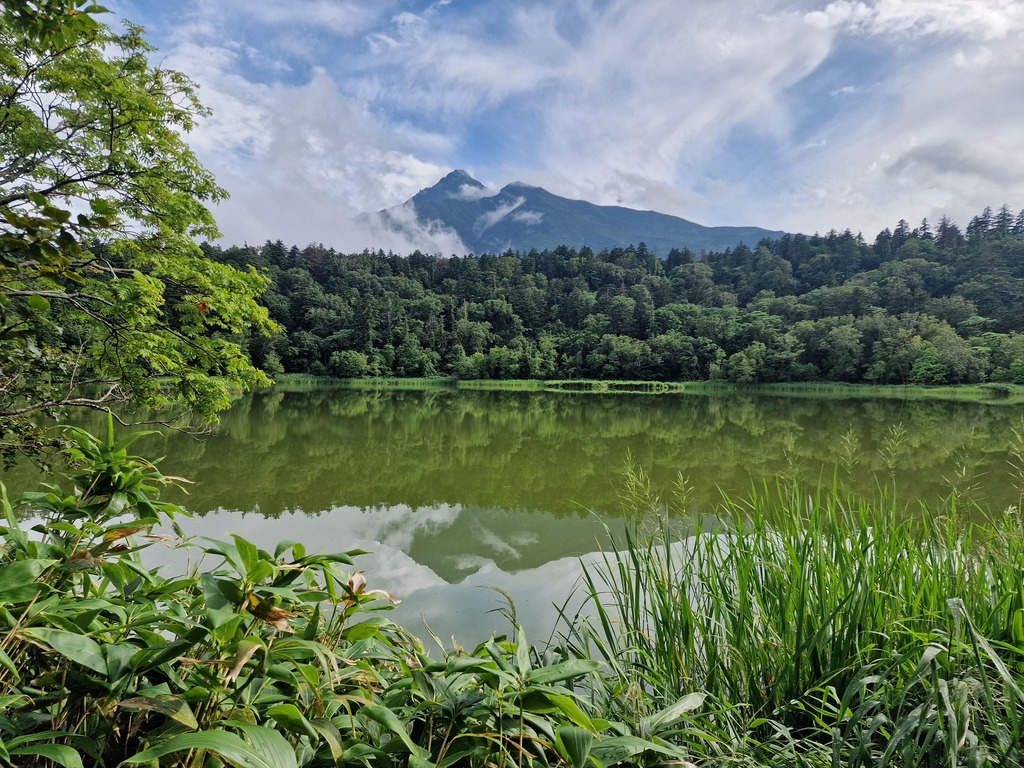 Starting my trip with hiking Rishiri mountain, what a dream
One of the highlights was visiting the northernmost islands Rishiri and Rebun. Next time I should plan to visit Okushiri island too. Following my route heading east, before crossing the mountains over to Sapporo, there were hardly any foreign tourists. The towns are also spread quite far apart, so I really got that remote feeling while cycling.
The route
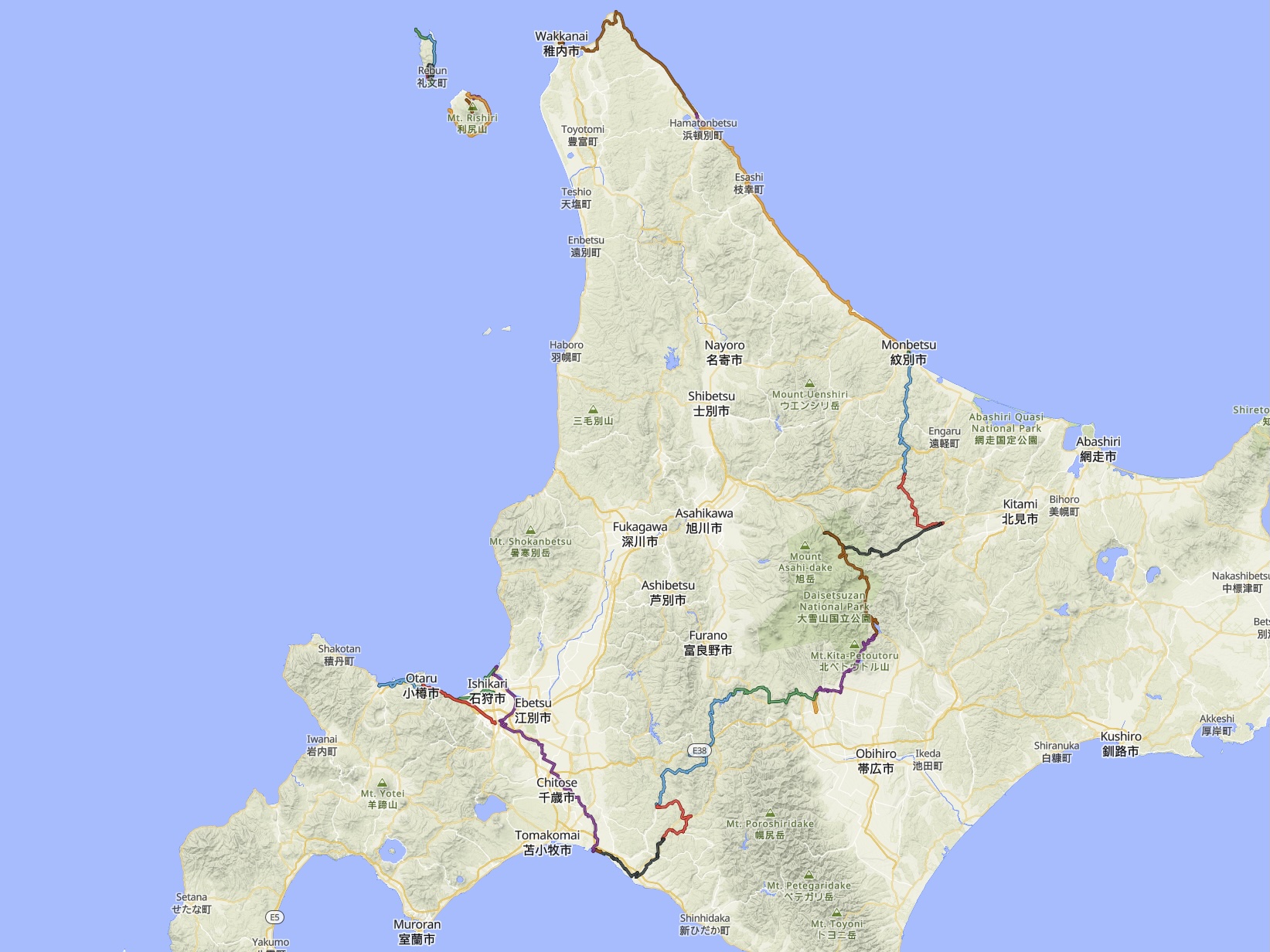 There are still so many places I want to visit in Hokkaido
One of the reasons I wanted to go to Hokkaido was to ride Hokkaido Wilds - Trans-Hokkaido Bikepacking Route. I also knew that I wanted to start in Wakkanai, visit the two islands in the north, and end up in Sapporo. So with those constraints I ended up with a plan taking me down the east coast, and through the mountains down to the bay of Sapporo.
As you will read about in my trip report, it didn’t go exactly as planned, and I ended up dropping the Trans-Hokkaido route for a more asphalt focused route. Still really happy with my route, as there was plenty of things to see, explore, and experience!
Most of the roads in Hokkaido are worth a ride, but I haven’t heard much good about cycling down the west coast from Wakkanai to Sapporo. A lot of tunnels, and trailers. Still, it’s a popular route, as it takes you south a lot quicker than my route.
Transportation
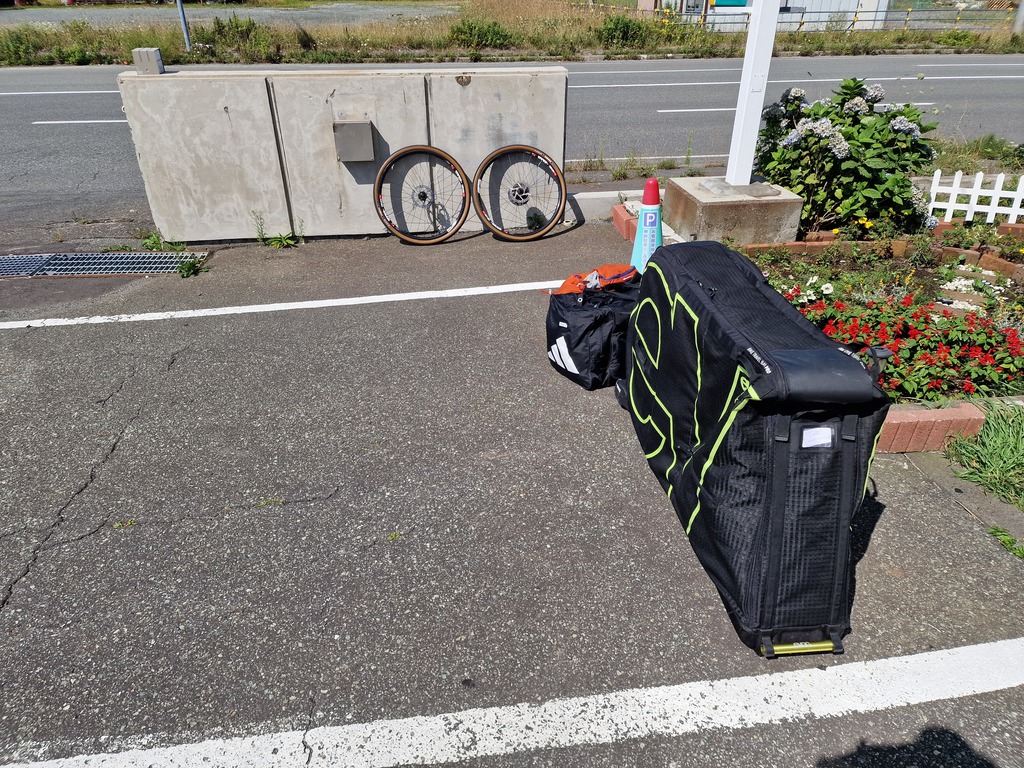 Ready to assemble my bike, for the trip of a lifetime
Arriving in Tokyo, from Norway, I took a plane directly to Wakkanai with my Evoc bike bag. Then I took a taxi to the nearest Yamato shipping office. Outside the Yamato I assembled my bike, and then shipped my bike bag to my hotel in Sapporo. I used Yamato to ship my luggage every time during my three month stay. The plan was to just ship it once every four weeks, but that only worked from Wakkanai. Some places there was a storage limitation of one week, other times I had to promise them that the hotel would take my luggage long before I would get there. There were never any issues, but I had to take time to explain what I was doing, so don’t be in a rush.
That’s a general tip if you need to do something out of the ordinary in Japan, have the time and patience.
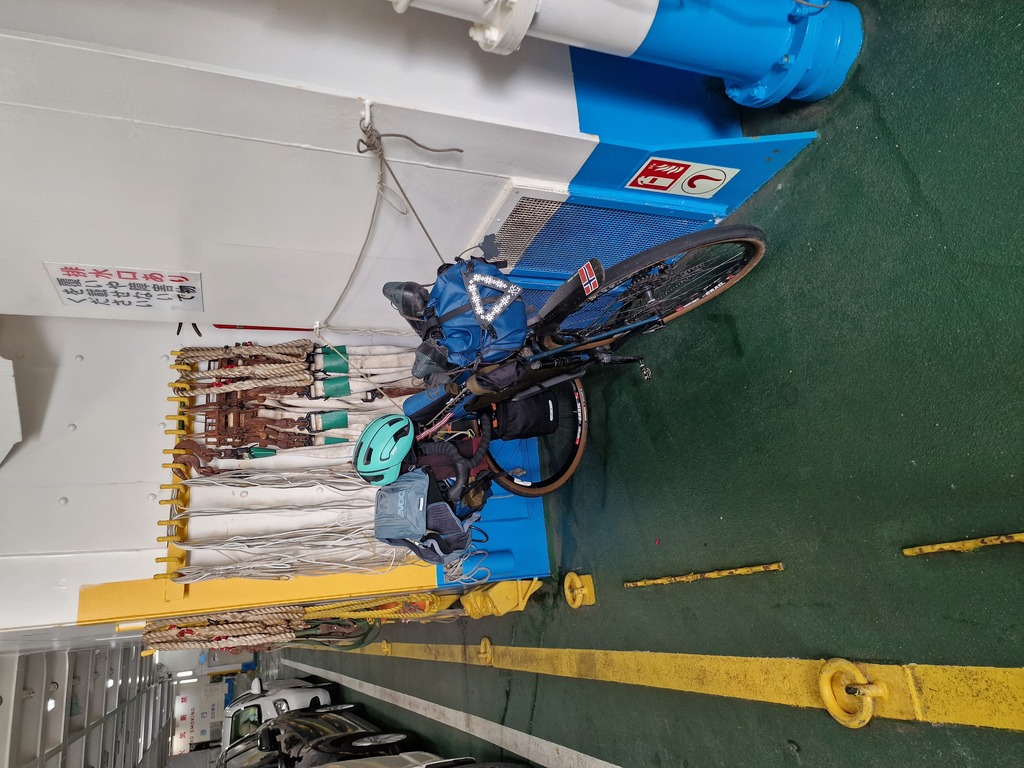 I took the ferry three times in Hokkaido, every time they tied up my bike
Accommodation
The plan for this three month trip was to stay in my tent for most of the nights. That didn’t go quite as planned, in fact my plan failed on the second night on my trip.
I had no issues finding camping campgrounds in Hokkaido, and with the presence of bears, it’s probably wise to not wild-camp that much. One of the campgrounds even had to close because of a bear that was walking too close.
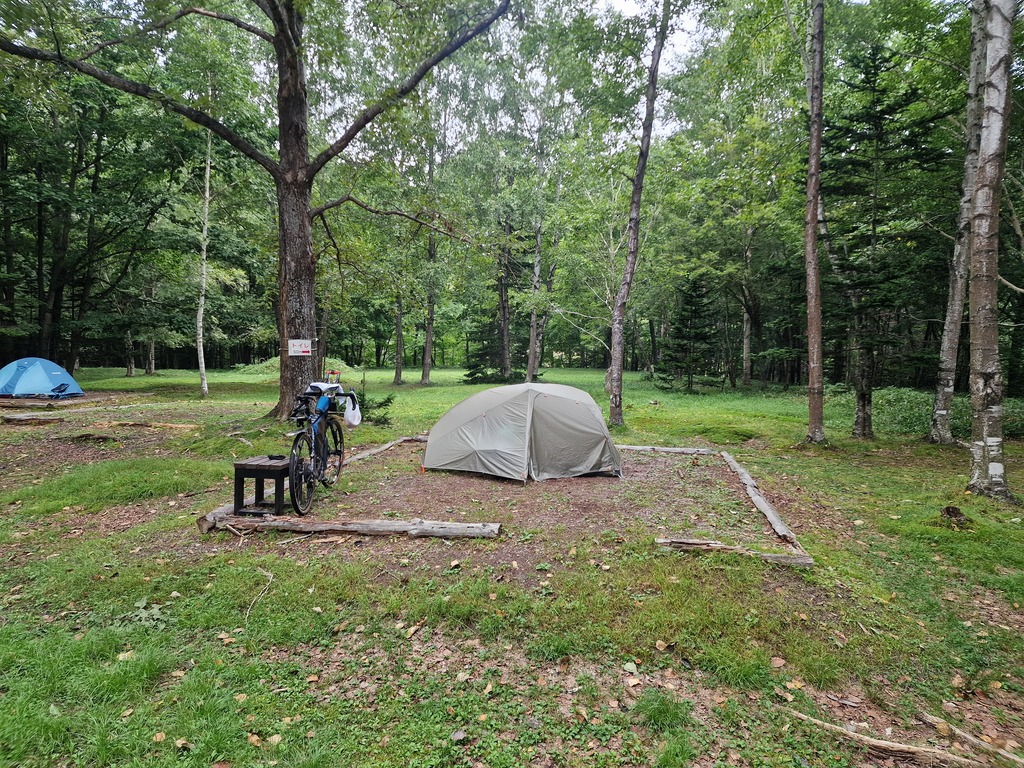 The guy in the blue tent saved me, by boiling water for me so I could get a hot meal
Most of my hotels were not booked, and I just rode up and asked if they had room. There was no problem finding a spot using just Google Maps.
Not every hotel had washing machines, as I was disappointed to learn while having an extra night in Nibutani (Biratori Onsen Yukara), waiting for the rain to stop. Also, just a few of the campground had showers, so be sure to pick a campground near an onsen.
Some noteworthy places I slept were:
- Kutcharo Lakeside Camping Site (クッチャロ湖畔キャンプ場) was a nice camping site next to a beautiful lake, and of course right next to an onsen.
- Maruseppuikoinomori Camping Ground (丸瀬布いこいの森キャンプ場) was a quite unique camping ground, with lots of activities. There were two museums here, one for insects, and one for local history. More importantly, they have a steam locomotive that you can ride!
- Not technically a part of my bike trip, but Adagio (湯ごもりの宿 アダージョ) was a one of a kind ryokan with onsen in your room! The onsen was extremely warm, maybe the warmest I’ve tried!
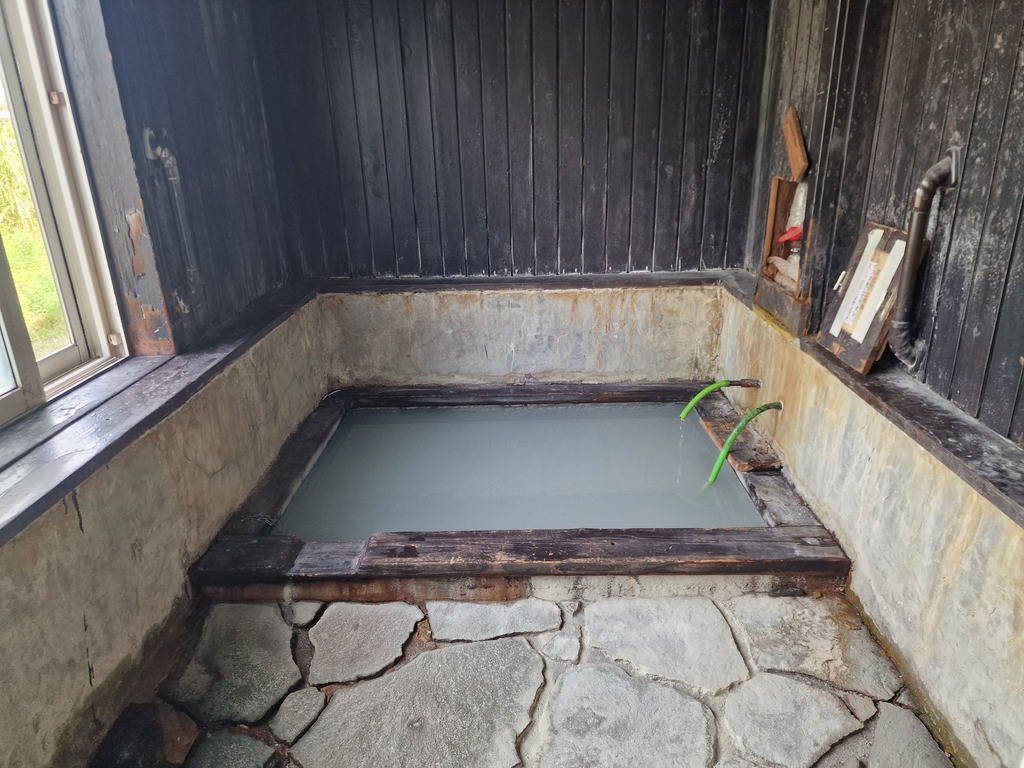 You had to have the window open at all times, or else there was a risk of sulfur poisoning
What I’m happy I did
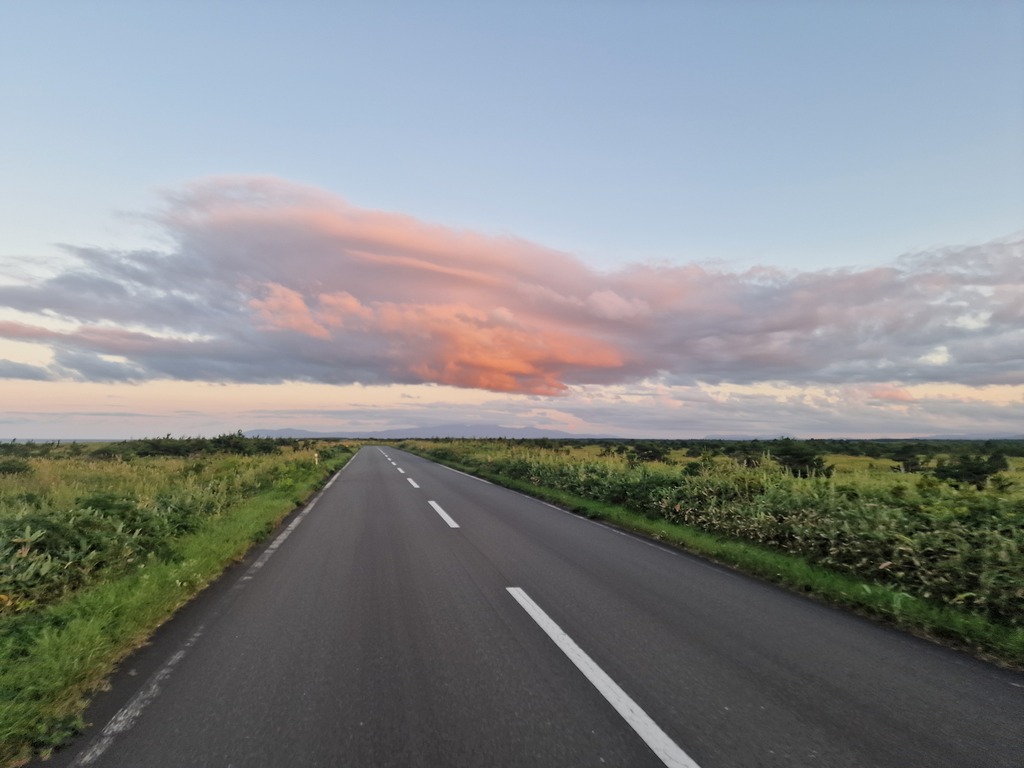 I had 15 km with straight roads riding towards Hamatombetsu
I’m really happy that I spent nearly a month in Hokkaido, and yet there are still more places I want to visit! Starting off with visiting Rishiri and Rebun was really fun, getting a bit of the island culture, and doing a big hike while waiting for the jet lag to let go. Mount Rishiri was beautiful. I do love cycling in the mountains, so crossing Hokkaido from the east to the south around the Daisetsuzan national park was an experience. Especially Mikuni pass, which is the highest mountain pass in Hokkaido. Originally I had planned to do a gravel route, skipping that pass, and I’m so glad my plans changed.
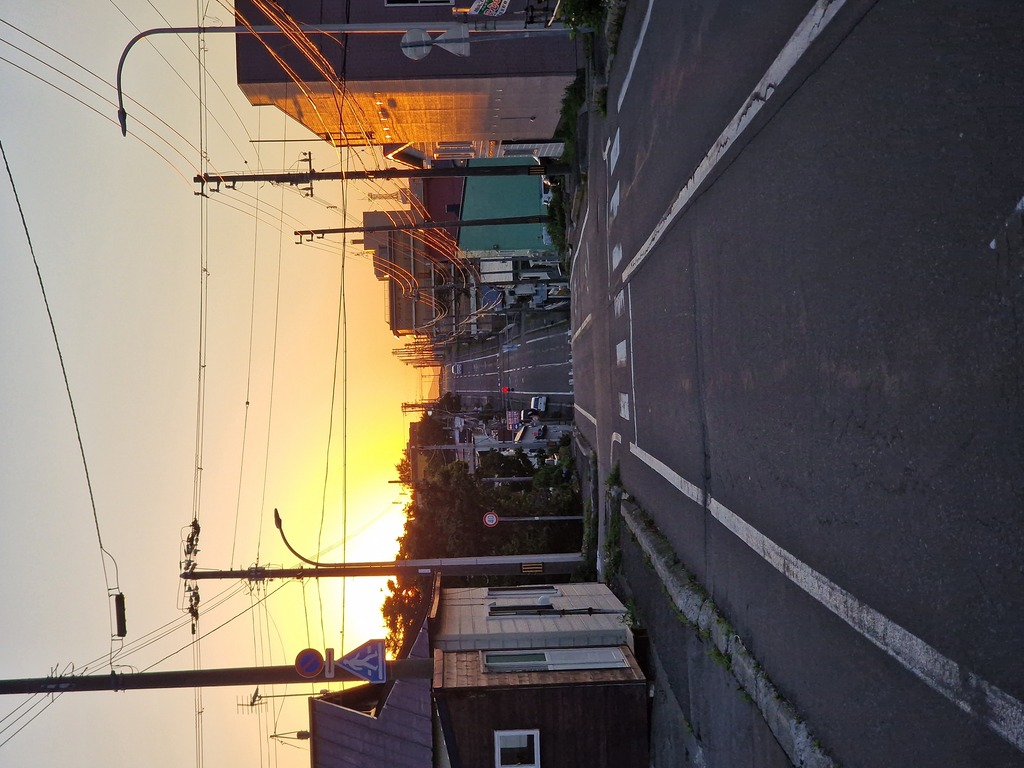 There was a beautiful sunset when I arrived at Rishiri, wonderful island
Learning more about the Ainu culture was really interesting, visiting both Nibutani Ainu culture museum and Upopoy national Ainu museum on my trip was a learning experience. I also got to learn a lot about the Jōmon people that lived in Hokkaido between 14,000 and 300 BCE, a long time ago!
Visiting all the different onsens was a continuous highlight on the trip, and of course eating a lot of ramen! The Hokkaido ramen with corn and butter was an interesting change, but my favorite was the potato ramen from Makkari Onsen, which I ended up visiting twice!
Challenges
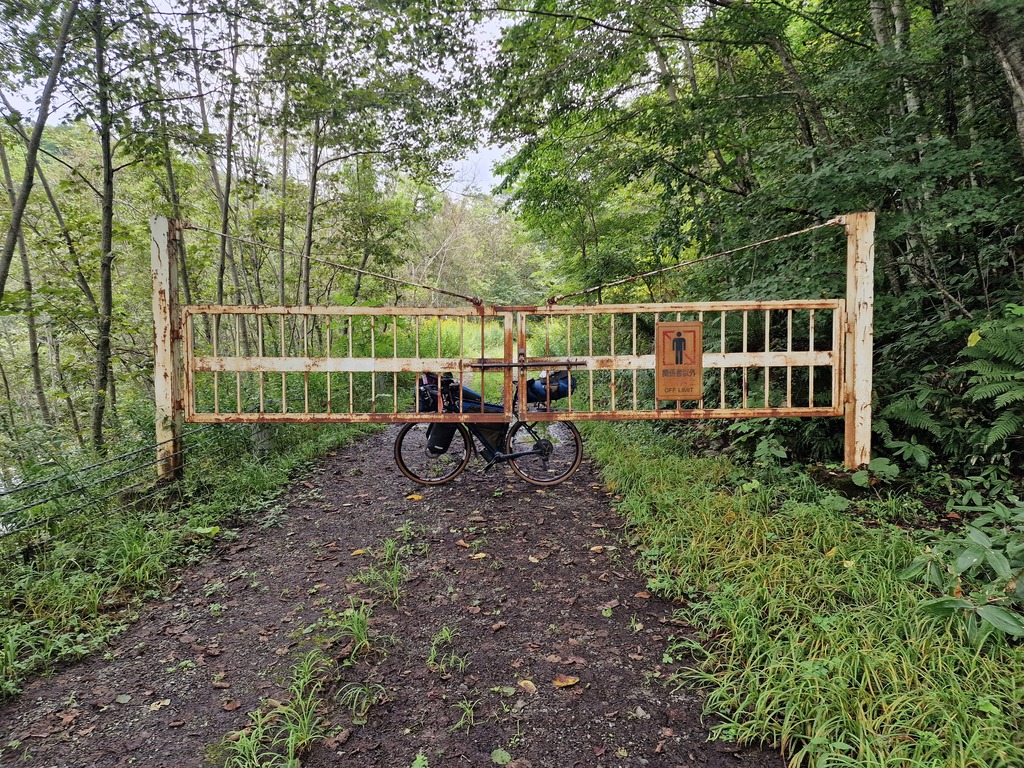 Some roads were closed, and most often it was for a reason, so I did some backtracking
Even thought I biked for nearly a month in Hokkaido, there weren’t really any problems. I had one day with proper rain that I cut short, and then there were some nights I opted for hotels because of rain through the night.
As long as I was around the coast, finding konbinis and restaurants was easy. When I headed into the mountains, in central Hokkaido, they became more sparse, and I needed to plan a little bit more. Nothing more than having to buy some breakfast for the next morning when I camped, and to remember to stop by a konbini just in case the next one was far away.
A couple of times on my trip I forgot to check when museums and restaurants closed, or if museums would be open the next day, as I quickly lost track of the days of the week. So I did a speed run of at least one museum because it would be closed on the next day that I had planned to visit it.
What would I change for my next trip
I went on three hikes for my trip to Hokkaido - Rishiri mountain, Yōtei, and mount Asahi (Asahi-dake) - and I regret not going for more hikes. Japan is an amazing country for hikes, and I rode past some beautiful mountains in Hokkaido. Of course, hiking takes time away from cycling, so you can’t do everything.
Next time I visit Hokkaido I will try to do more camping instead of hotels. There are some great sceneries to camp in, and with a bit of planning you can find campgrounds near onsens.
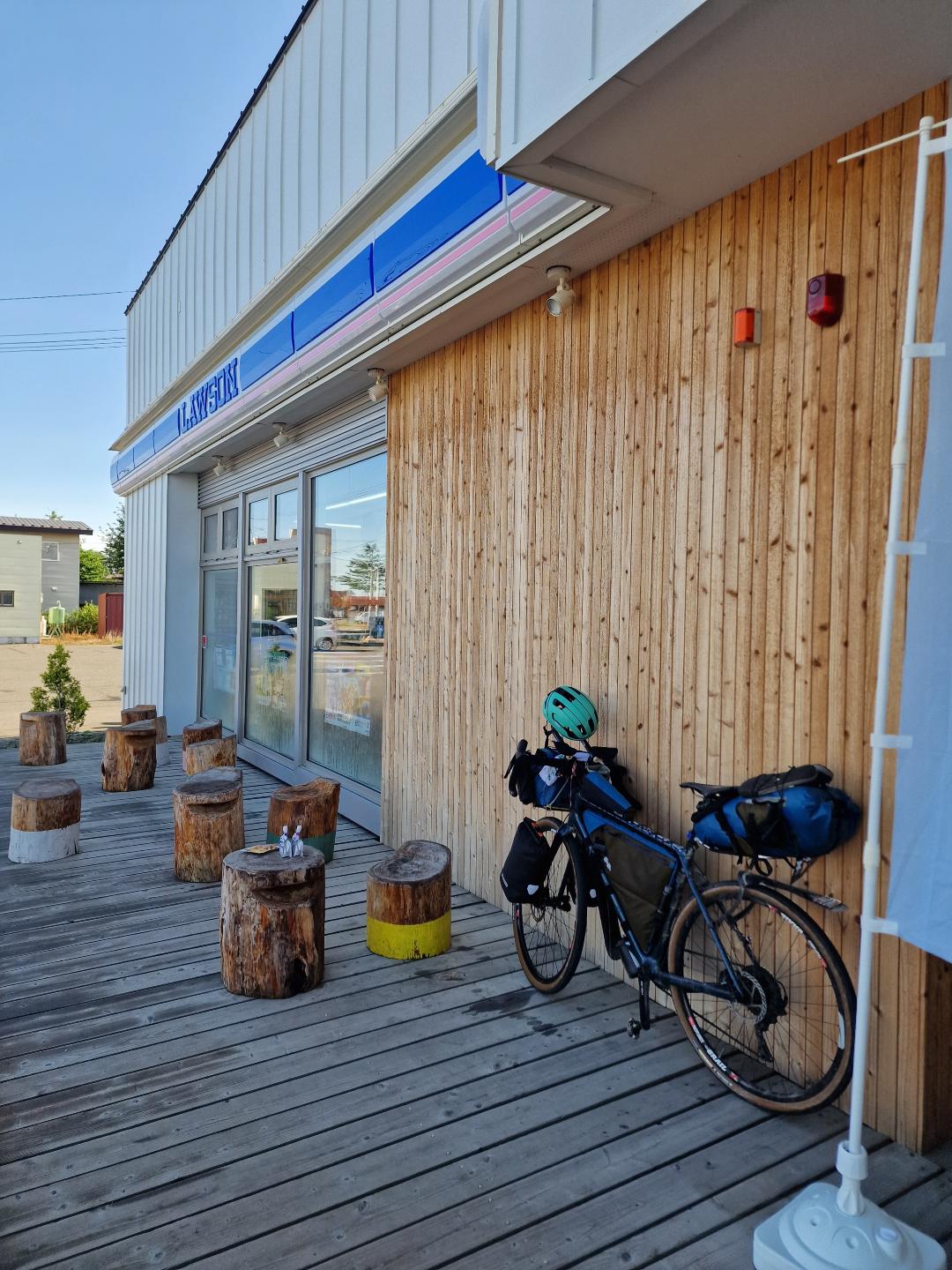 It’s not often you find konbinis with a seating area outside
Trip report
This trip report will be different than the others I’ve done. It will mostly be highlights and things I can recommend for others to experience. So no day-to-day updates. If you want to read the full report head on over to my Norwegian Plog and use Google Translate or something like that to translate the text to English.
August 15th to 20th - Rishiri and Rebun islands
My adventure started with visiting the northernmost islands in Japan, Rishiri, and Rebun. I landed at Wakkanai airport, and took a taxi to a Yamato where I assembled my bike. Then I took the ferry over to Rishiri, where I camped at Rishiri Island Campsite “YŪNI”.
First on my agenda was hiking the beautiful Rishirifuji! The hike is 1500 meter of ascending, and the clouds rolled in when I reached the top. The estimated time is about 12 hours, but I managed to do it in about 6 hours. You start of in the forest, before you end up following a trail of bushes, so the views are mostly at viewpoints along the way.
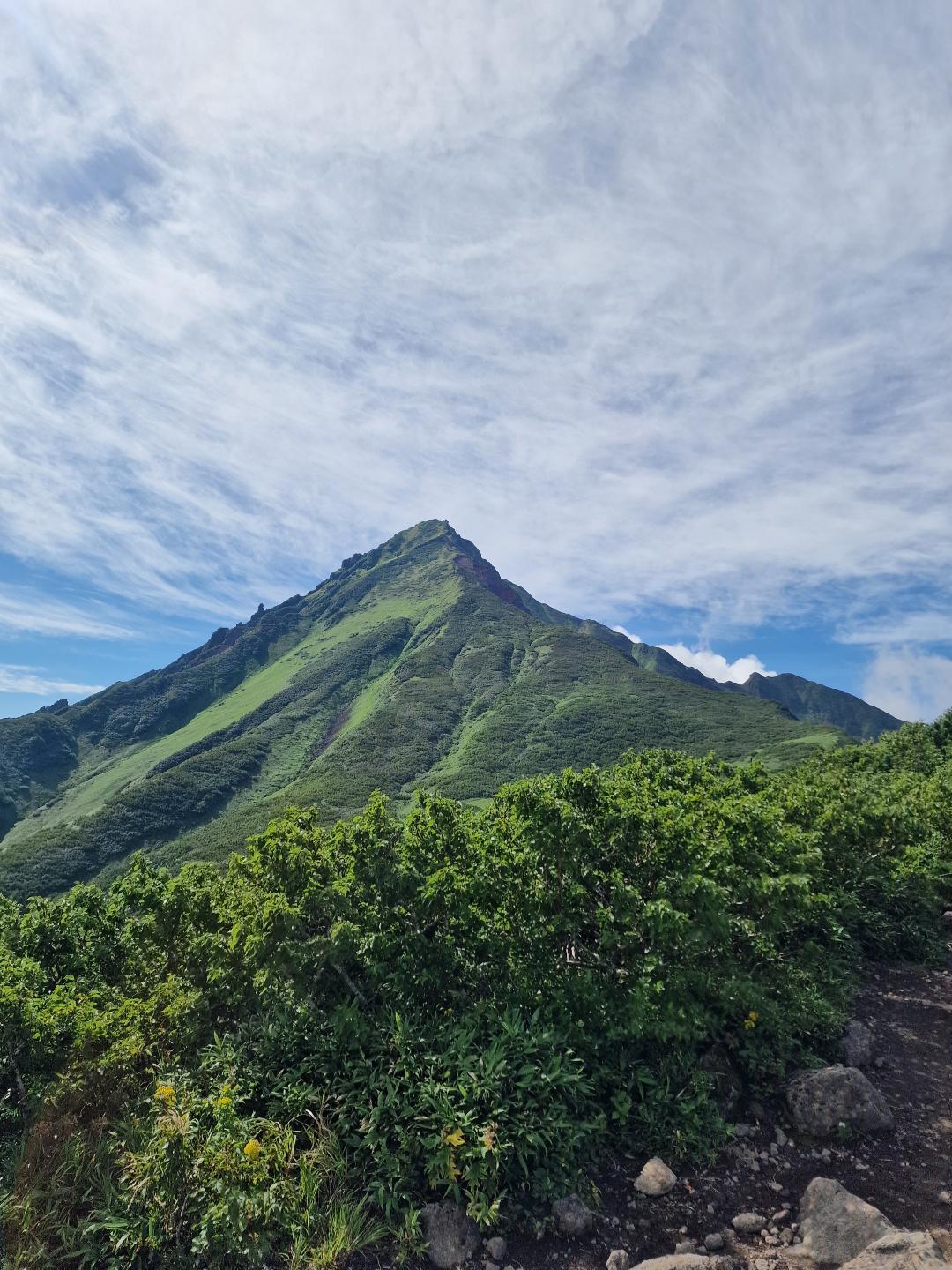 It was strange to walk in the green bushes nearly all the way to the top
I visited Rishiri Art Visitor Center to learn about the creation of the volcanic island, and saw a cute movie about moving back to the island. Also went for a short bike ride, visiting the Himenuma pond.
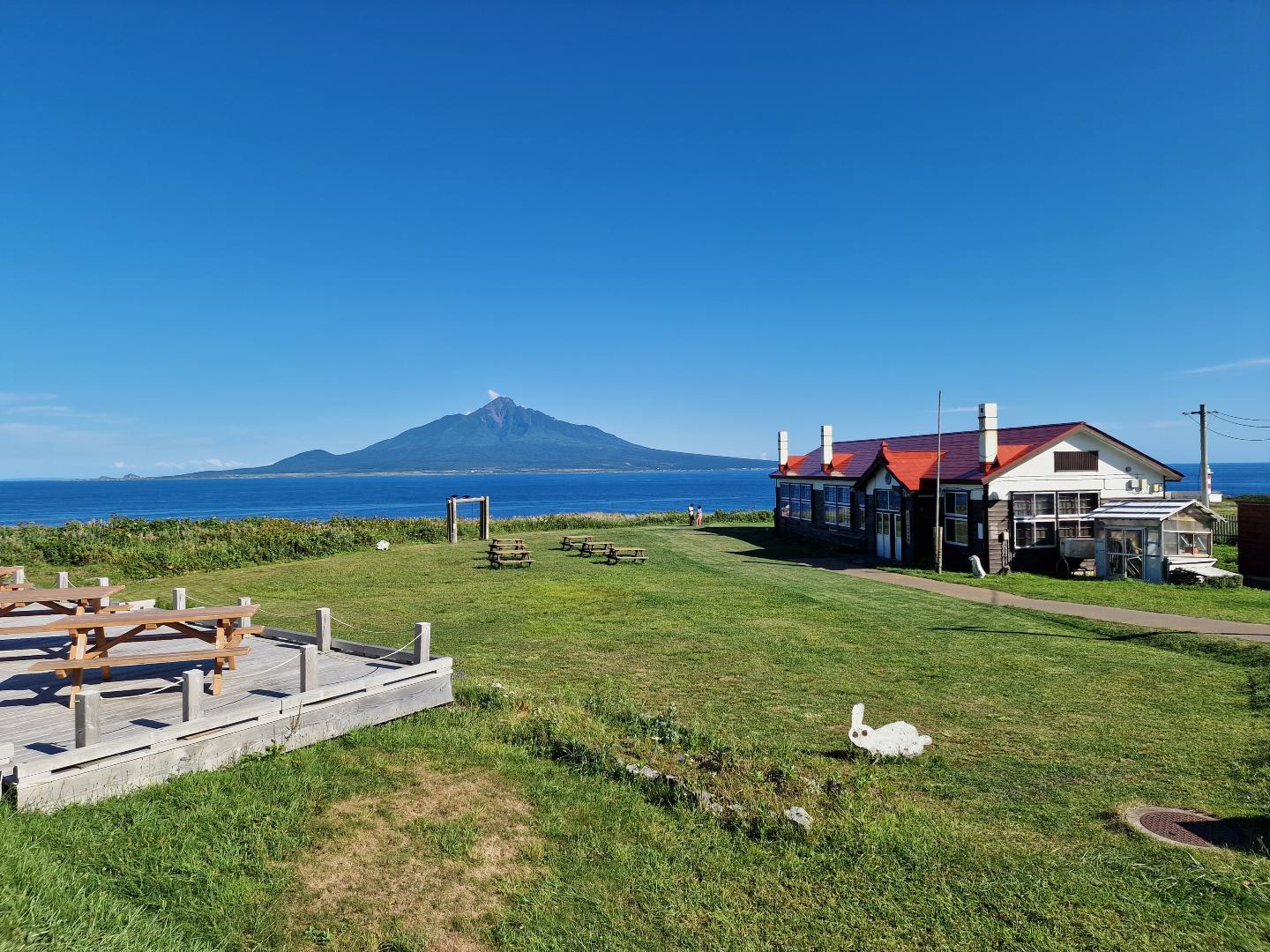 Rishirifuji views from Rebun island
After Rishiri I cycled around the island, and took the ferry to Rebun. On Rebun I visited the old school building from the movie A Chorus of Angels, which has a beautiful view of Rishirifuji. I cycled all the way north to see the sunset, and camped at Kushu lakeside campsite. I could have camped at the northernmost point, but that didn’t occur to me at that time.
There were also no places to get food in the north, so remember to buy enough at the only konbini on the island when you ride past it.
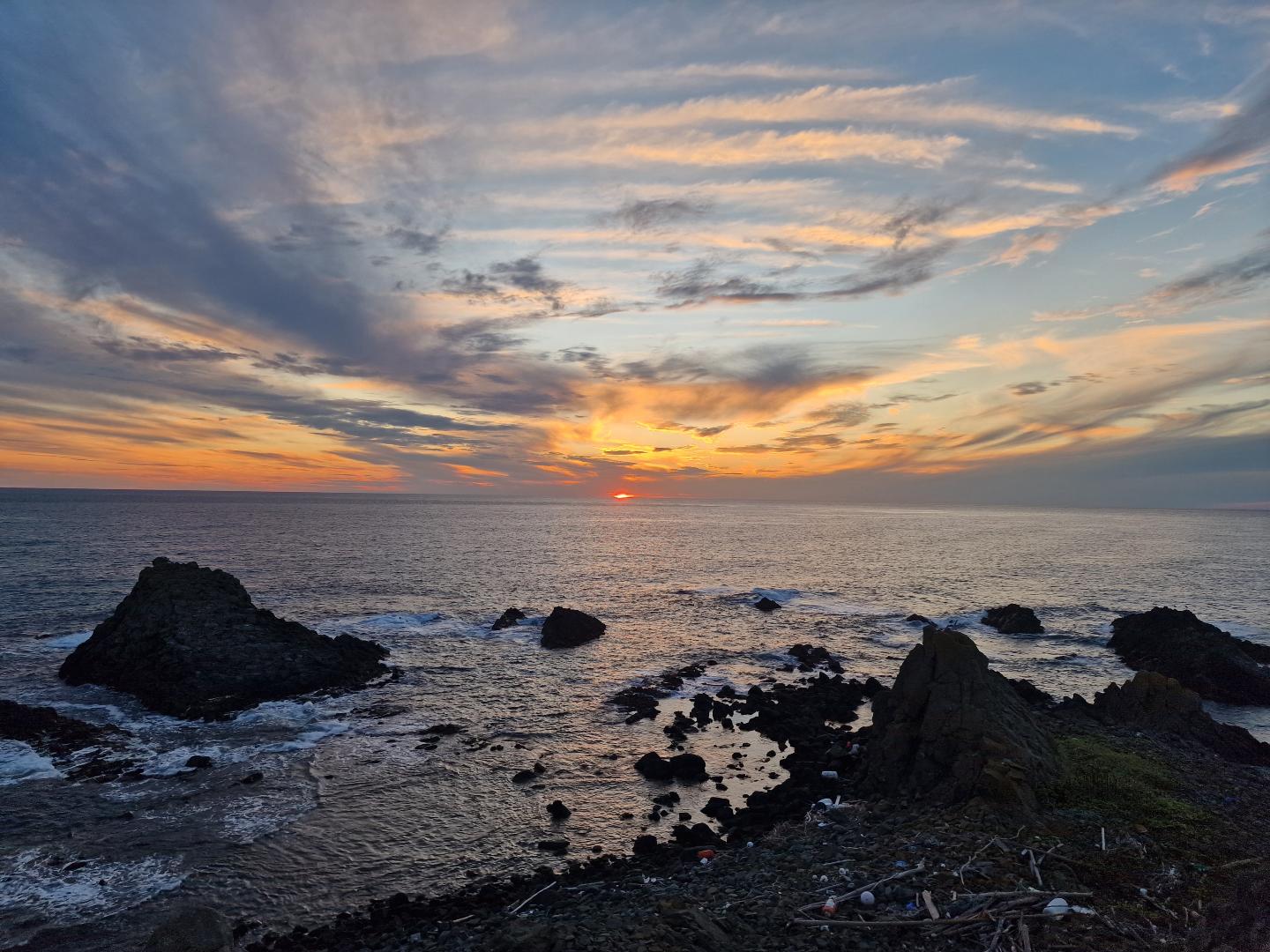 There was a small hotel built on the shore nearly at the tip of the island, looked like a great place to stay
It rained the last full day on Rebun, but I still got to do some sightseeing, and learned about the Jōnmon culture at the local natural history museum.
Also learned that my frame bag and handlebar bag weren’t as water-resistant as I hoped. So I needed to get some plastic bags for my papers, to avoid my passport and money washing away.
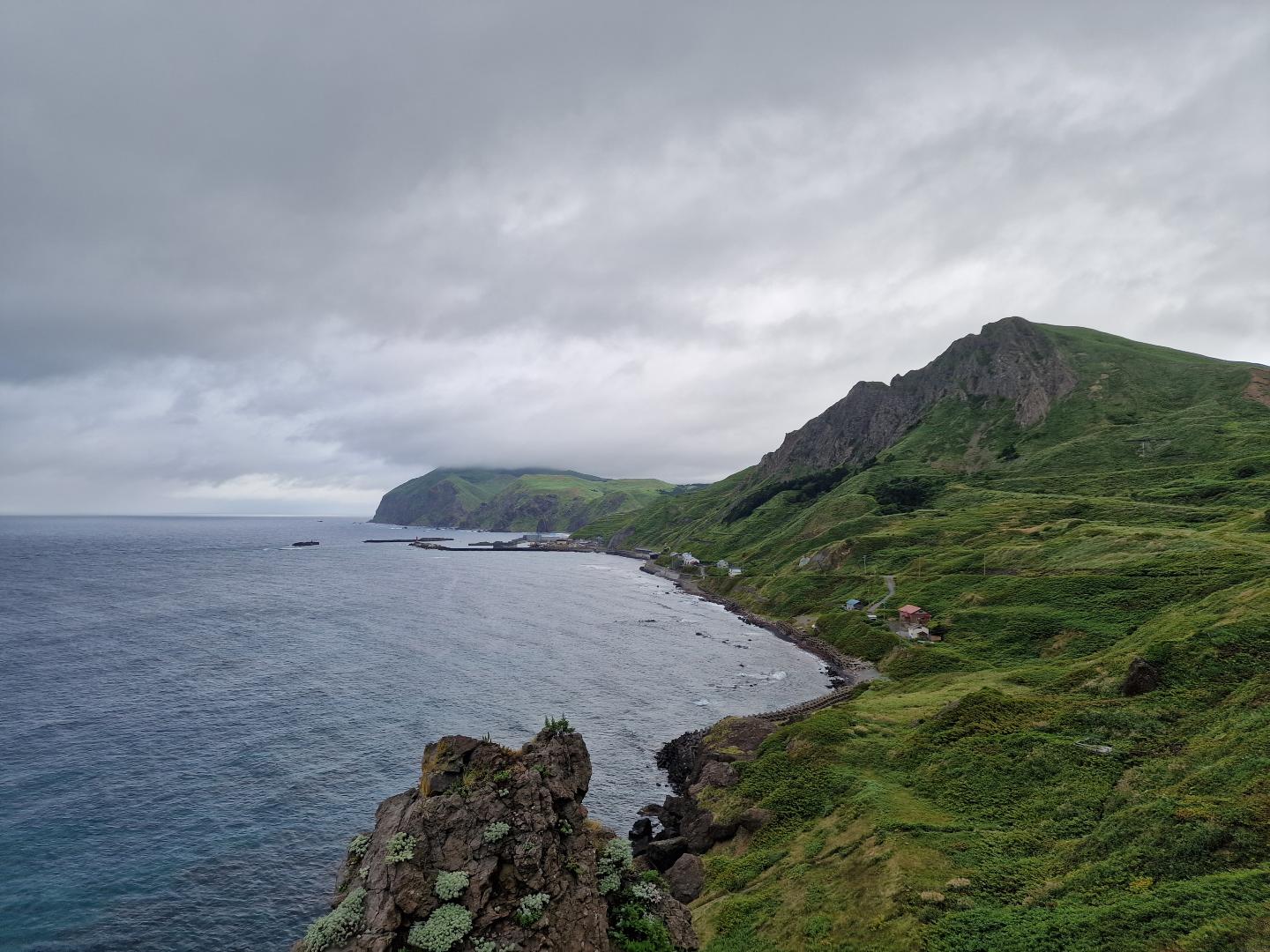 Rebun reminds me of the Faroe islands, and the western parts of Norway
August 20th to 23th - Heading south
I took the ferry back to Wakkanai, and stayed there for the night. Visited the northernmost onsen, they had translations and explanations for everything, so they were used to foreign tourists.
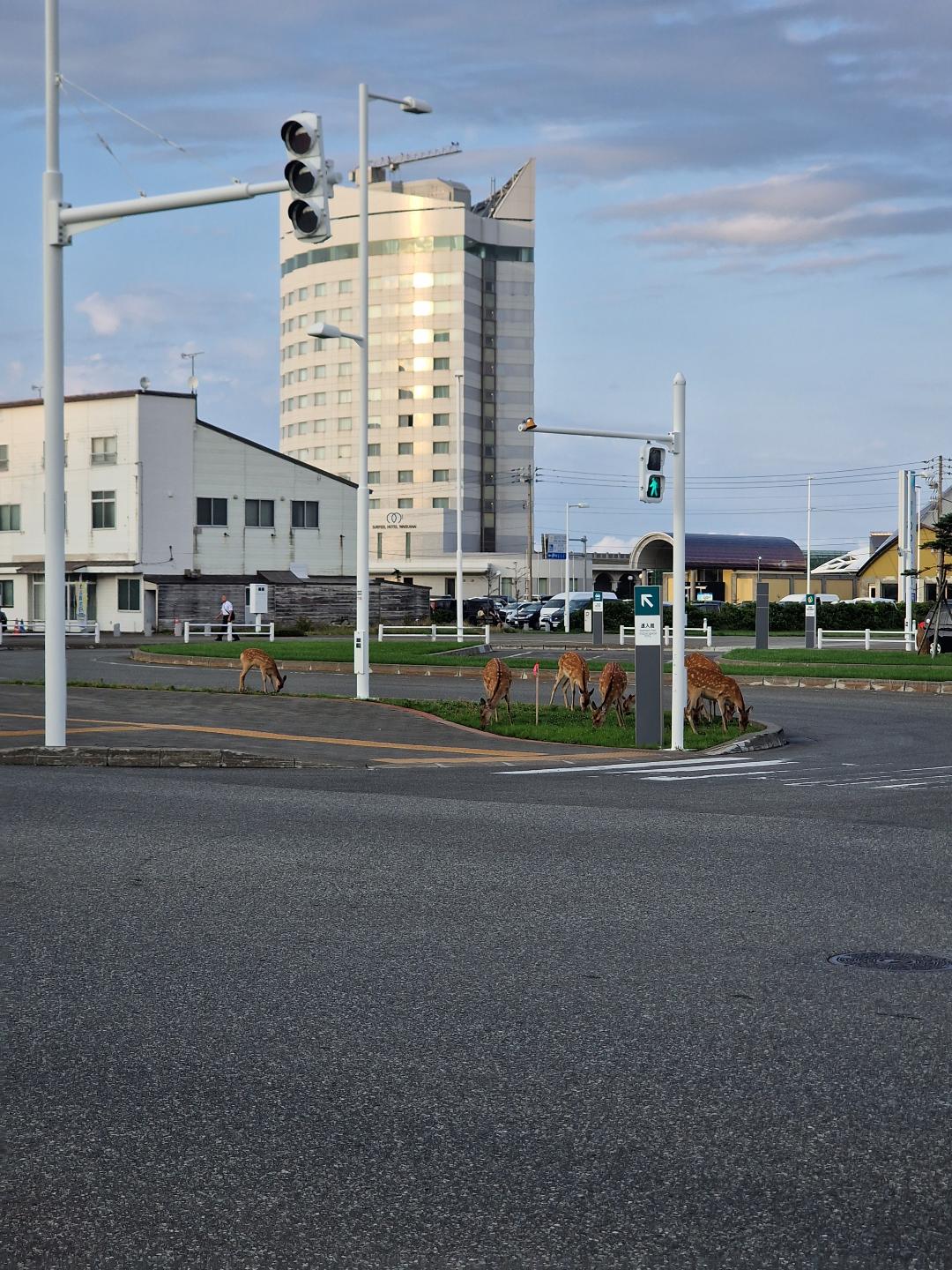 Did not know there were so many sika deer in Wakkanai
On the next day I took in the local sights in Wakkanai, where the memorial tower was the highlight. It was a long day, starting of with the beautiful seashell road, on my way to Cape Sōya. The seashell road, or the white road, is a gravel road made of white seashell. It was pretty nice, with a great view of the farmland around. Cape Sōya was a regular tourist spot, but I got a picture of me and the bike at the cape.
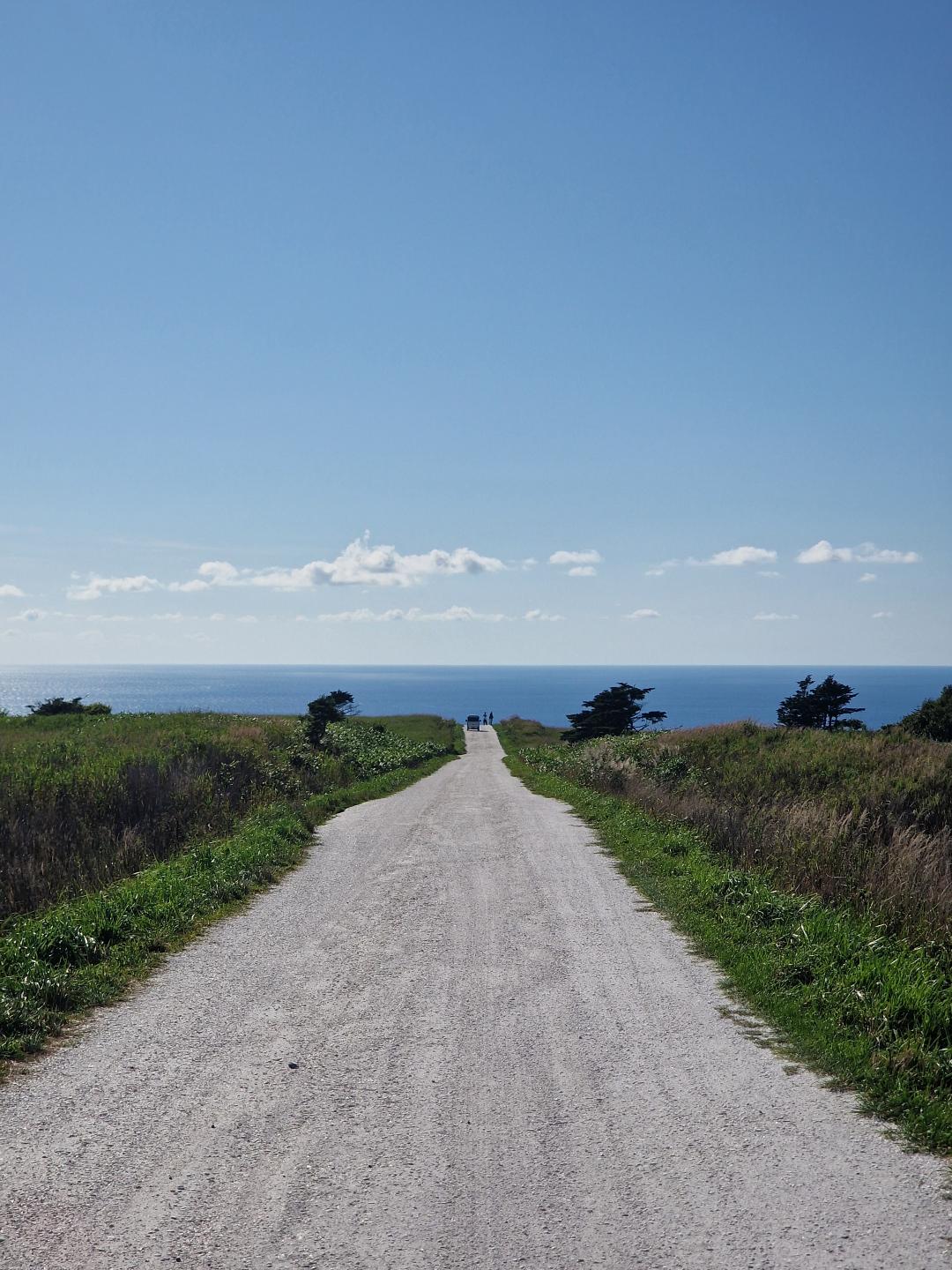 They’ve farmed a ridiculous amount of seashells to make this road
The next major stop was Mombetsu, around 250km from Wakkanai. I split it over two days, camping next to Lake Kutcharo. A great place, right next to an onsen.
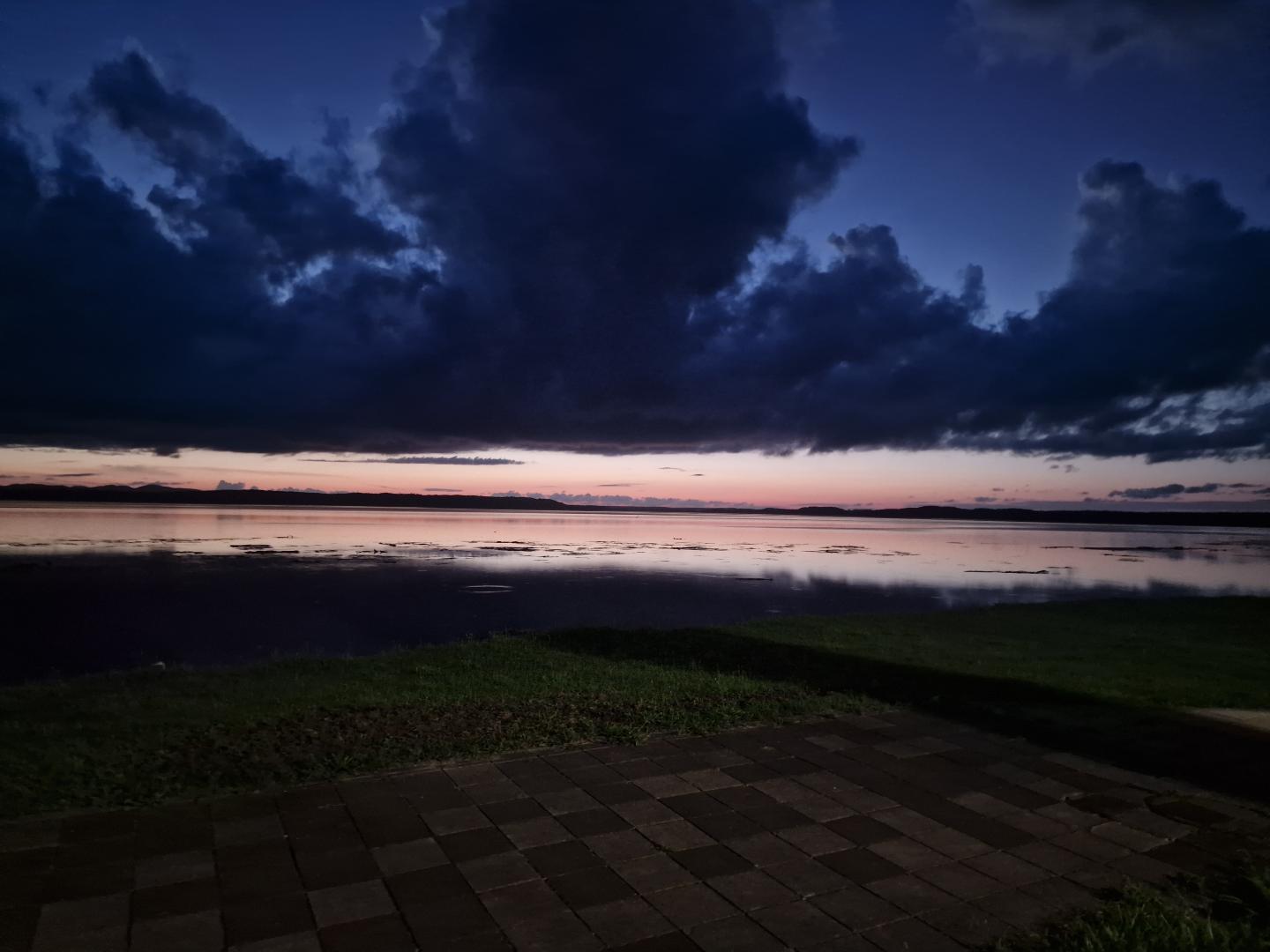 Got in a bit late to the camp site, as I got caught up watching a flock of deer at a field
On the first day I stopped at the Sarufutsu Park Underground Passageway, for a quick view of the black light art. Next stop was the Okhotsk Museum in Esashi, which was a really cool museum where you could learn about the Okhotsk people, who lived in Hokkaido before the Ainu people.
Mombetsu was the next city, and where I took a rest day. Not the most exciting city, it’s mostly for winter tourists to see the sea ice. I visited the museums I found, and the Okhotsk Sea Ice Museum was worth a visit, fun to enter a -20 freezer when it’s nearly 30 degrees outside.
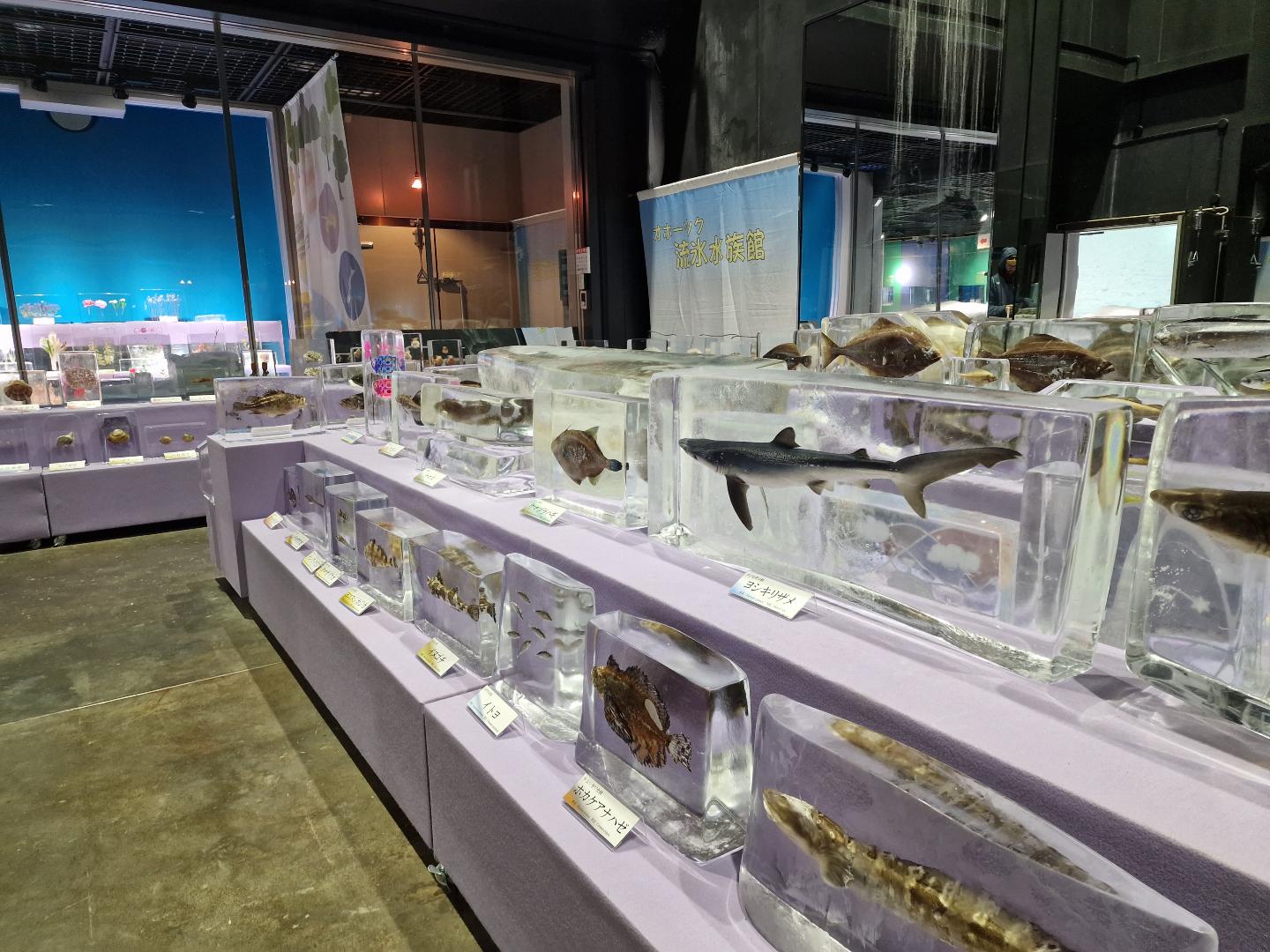 The trick to getting such clear ice cubes was to boil the water, and then slowly freeze it
August 24th to September 3th - Meeting bears and changing plans
Finally, it was time to head inline, and towards the mountains and possible gravel roads. On the way to the first camping ground I rode over the mountain pass instead of through the tunnel. You probably saw how that went from the “The Route” section further up on this page. Luckily the worst road was on the way down, and I had a blast exploring the more wild side of Hokkaido.
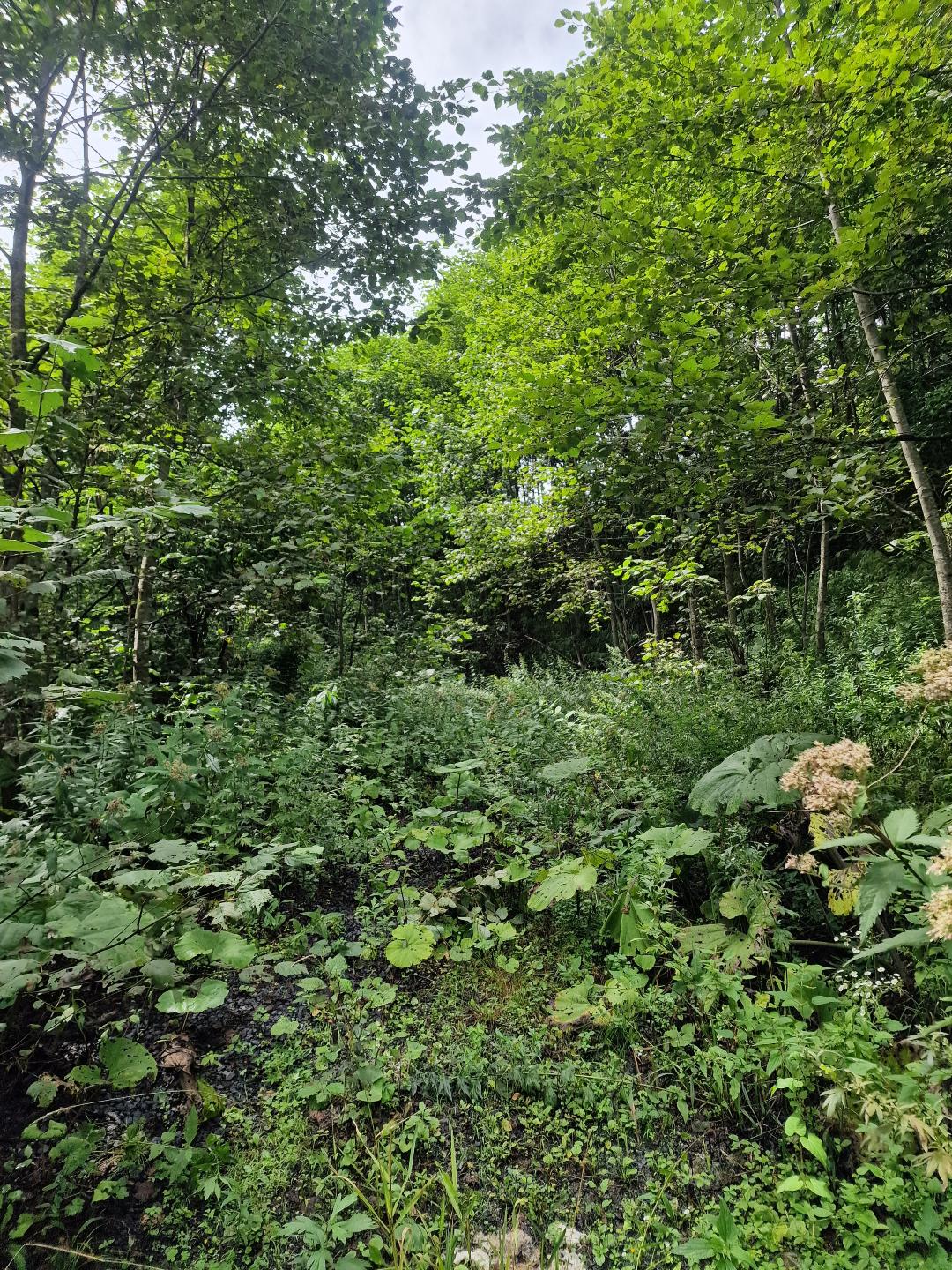 Believe it or not, I did manage to ride through this
As most of you know, there are bears in Japan. In Honshu, the main island, there are smaller black bears, but in Hokkaido you have brown bears. They are not as aggressive as the North American brown bear, but you should still avoid them. I had prepared by buying bear spray just in case, but I was still not prepared for how it was to see them in real life! 20 minutes after my little side adventure to avoid the tunnel I was cruising down towards Maruseppu, and rounding a big bend in the road, when I was met by two bear cubs playing in the road! I quickly turned around, cycling back, while they headed into the forest. It was quite an experience, and I was unsure what to do next. I needed to continue forward, but also wanted to avoid the bears. When you meet bear cubs, there is always a mother close by, and they are the dangerous ones.
After a little while some cars were driving up the mountain, past me, and I took that as a sign that it was safe to head back down again. Everything went well, and I had an uneventful ride the rest of the way to Maruseppuikoinomori Camping Ground. The campground was worth a visit. This campground had it all, two museums, one onsen, a running steam engine locomotive that you could ride, and a lot of other fun stuff for the whole family.
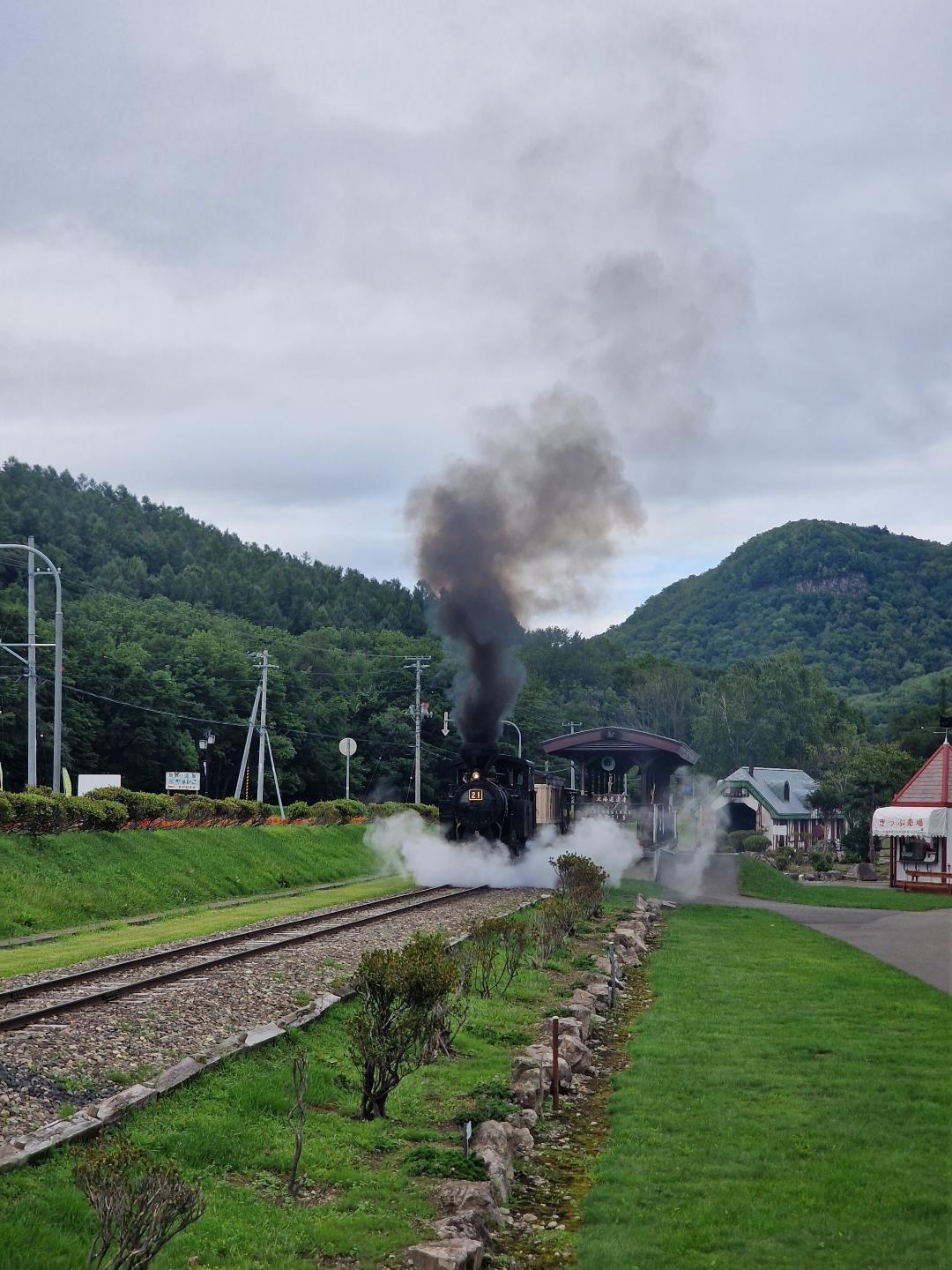 It’s not often I’ve ridden a steam engine locomotive
As mentioned previously the plan for Hokkaido was to ride the Trans Hokkaido Bikepacking route by HokkaidoWilds.org, but the bear experience gave me some doubt. The next day I wasn’t quite sure what to do, the car road to the next valley was closed, so it was either follow the original plan to ride the gravel road, or go back to town and cycle around. I wasn’t quite ready to give up the Hokkaido gravel dream, so I decided to ride the gravel road over to Rubeshibecho. See how it felt, and think more about the rest of the trip. Luckily the ride was uneventful, and the road had been fixed on the other side, as it was reported to be washed out in 2018. Looked like they had fixed the road to cut trees, as they had cut a lot of trees on the other side of the mountain. Even though it was an uneventful day, my mind was on high alert while riding into the forest. I kept singing, and looking over my shoulder. So I was not relaxed at all, and was mentally drained when I finally was out of the woods (literally).
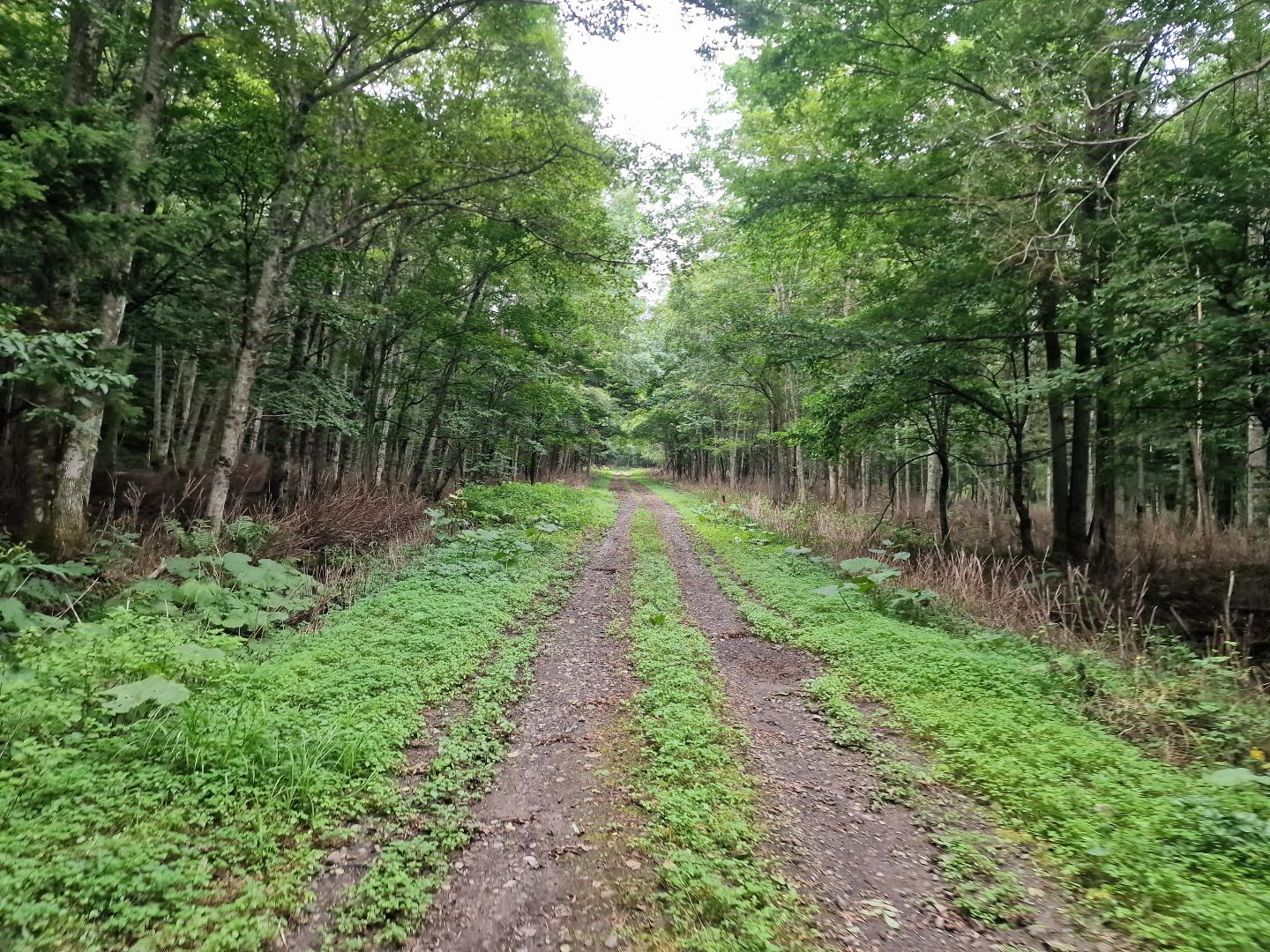 Beautiful gravel road, just what I was after
The next day I changed plans, and went for the car roads all the way to Sapporo, instead of continuing on exploring the gravel roads. There were also more reports of bear sightings throughout my trip in Hokkaido. One campground that I wanted to stay at was even closed because of a bear wandering too close.
I feel I made the right choice, as it also opened up my schedule to see all the other stuff that was outside the original route. So kind of a win-win situation, when I look back at it. There are so many interesting places, museums, and mountain passes to visit, that I soon forgot all about my original plan.
The following days I visited Hokkaido’s highest mountain pass, Mikuni, a real beauty, a highlight from my trip in Hokkaido. Riding out of the tunnel at the top to the view below was magical.
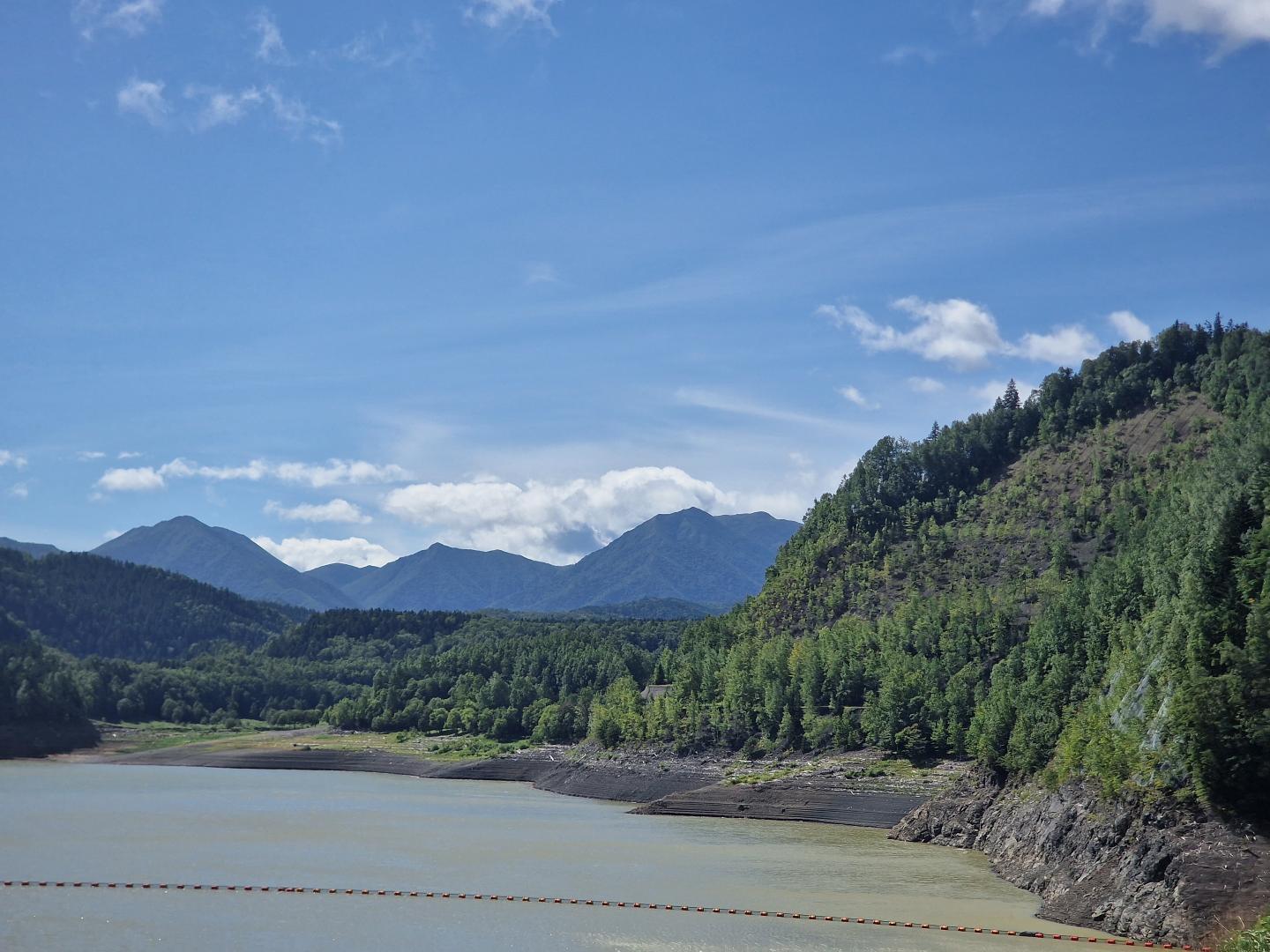 On my way up to the highest mountain pass in Hokkaido, see the pass at the top of the site
Down from Mokuni I stopped at an old train bridge, before I cycled all the way up to lake Shikaribetsu, where I had a really tasty pizza on the second floor at Shikaribetsukohan Information Centre. There was also an onsen at hotel Fūsui next to the lake, it was one of the warmest on my whole trip.
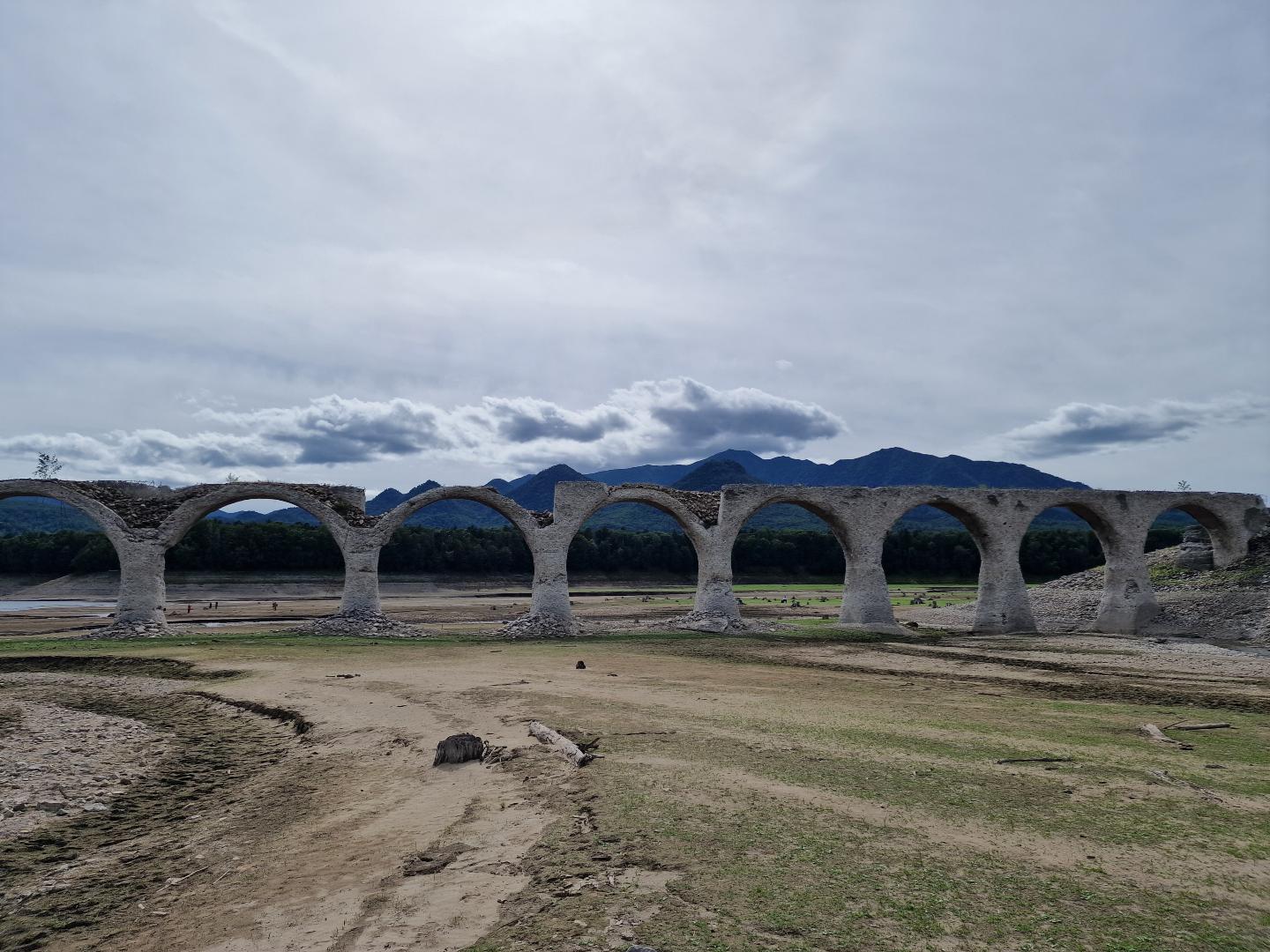 Old Taushubetsu bridge
From there I had a stop at Bear Mountain, a bear sanctuary, that felt like Jurassic Park with how the park for the bears was built. After Bear Mountain I had lunch at Farm & Cafe Berries, a cozy place a bit off the road. The food was good, and even though the sign outside said they did not speak English, they gladly talked to me, and were interested in what I was doing.
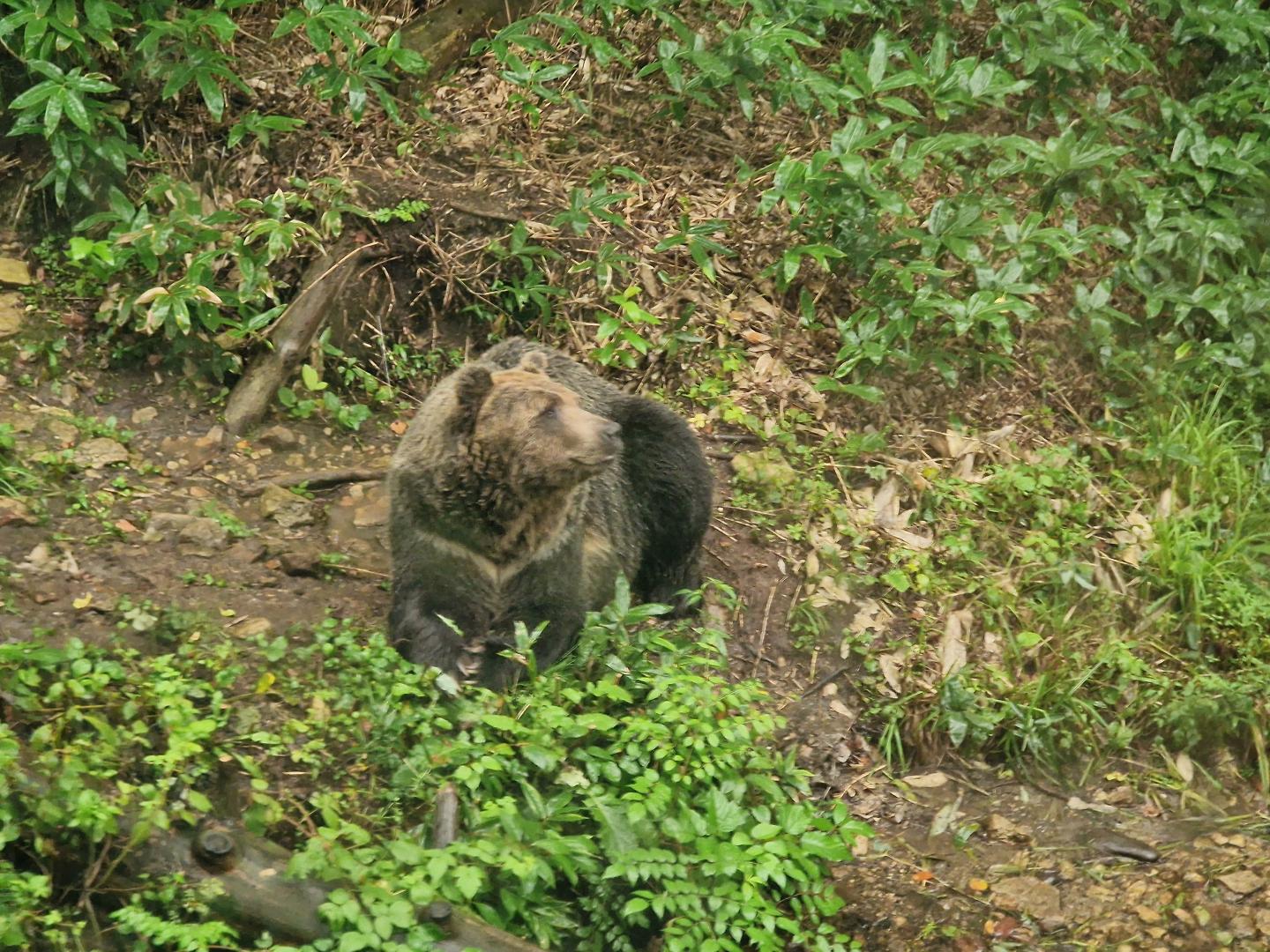 Bears are supposedly more active in the rain, as it’s not as hot
After cycling up and down mountains it was time to head south, towards the Pacific ocean. First stop was dinosaur museum in Hobetsu, before I had a rest day in Nibutani to learn about the Ainu culture. If you’re going to travel through Hokkaido, I really recommend learning about the people who lived in Hokkaido before the Japanese invaded. As a Norwegian, having the same similar assimilation history, it was really interesting to learn about the indigenous people, and how they used to live in Hokkaido. It also seems like the focus on traditional Ainu history and culture are on a rise, which I’m glad to see.
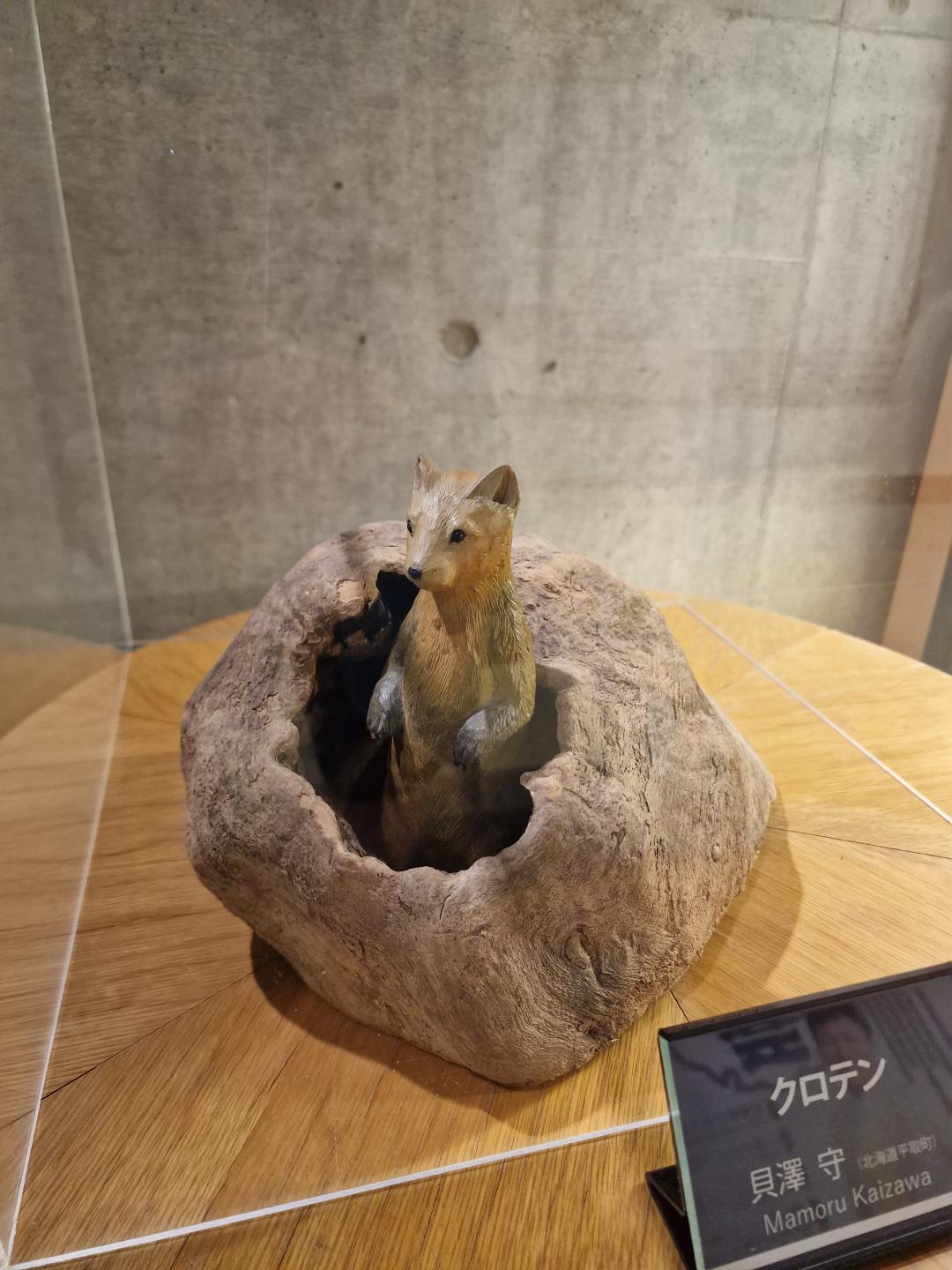 I forgot to take pictures from the museum about the Ainu, but have this amazing wood carving one
September 4th to 11th - From coast to coast
At this point, I was nearing the end of my cycle trip in Hokkaido. By not riding the Trans Hokkaido route, it goes a lot faster to get to Sapporo, which was my endpoint for this part of the journey. On the 11th my girlfriend would come to visit, and we were going to be traveling around by car. I was going to get back on the bike on September 22th down in Yamagata, Honshu.
The coast to coast idea comes from Martin from Cycling Hokkaido Podcast. You dip your toes in the Sea of Japan, and then ride all the way down to the Pacific ocean. As I was heading north to Sapporo, and the coast, I did the opposite. The day after I met up with Martin, and had a lovely chat that he turned into episode #107 (Spotify) (Podcast Addict)! Now I have another reason to ride again in Hokkaido!
 Had a lovely sunset while camping at the beach
With the extra days I took a round trip through Oita to Yoichi, before heading back to Sapporo. I had one last adventure before my girlfriend arrived. Renting a car I traveled over the mountains, to hike mount Yōtei. The Fuji of the north as it’s often called. I had a wonderful hike, and got to stay in the hut near the top to watch the sunrise the next morning. Sadly it was overcast, so no orange sky, bathing in the sunrise for me this time.
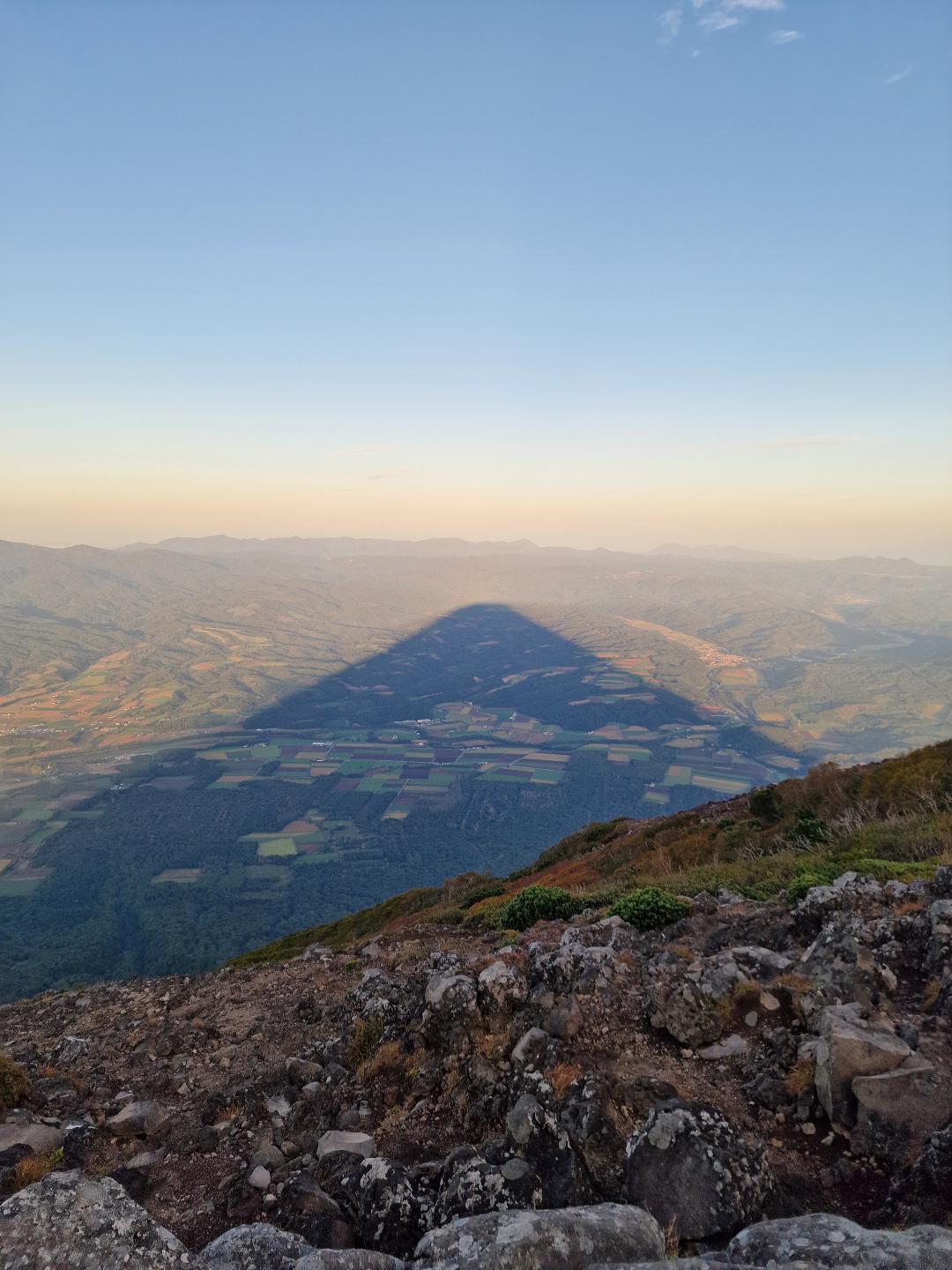 Mount Yōtei casting its own shadow
After Yōtei I did some more easy hiking in the nearby mountains, and tried some warm onsens. Also visited Noboribetsu Jigokudani Valley, which is a popular hell valley. The steam and bubbling waters are fun, but have you’ve seen one, you’ve kinda seen them all.
September 11th to 20th - Car trip
My girlfriend and I rented a car and drove around Hokkaido for the most part, before heading down to Aomori. Highlights from Hokkadio were Sapporo Art Park, along with Makomanai Takino Cemetery who had a big buddha statue, several Moai statues, and other out of Japan sculptures. That day the weather was terrible, but we had a cozy night at Marukoma Onsen Ryokan, next to lake Shikotsu. As we hadn’t booked dinner, we ended up driving down to the coast and had some great ramen at ラーメンレストランニングル 双葉店.
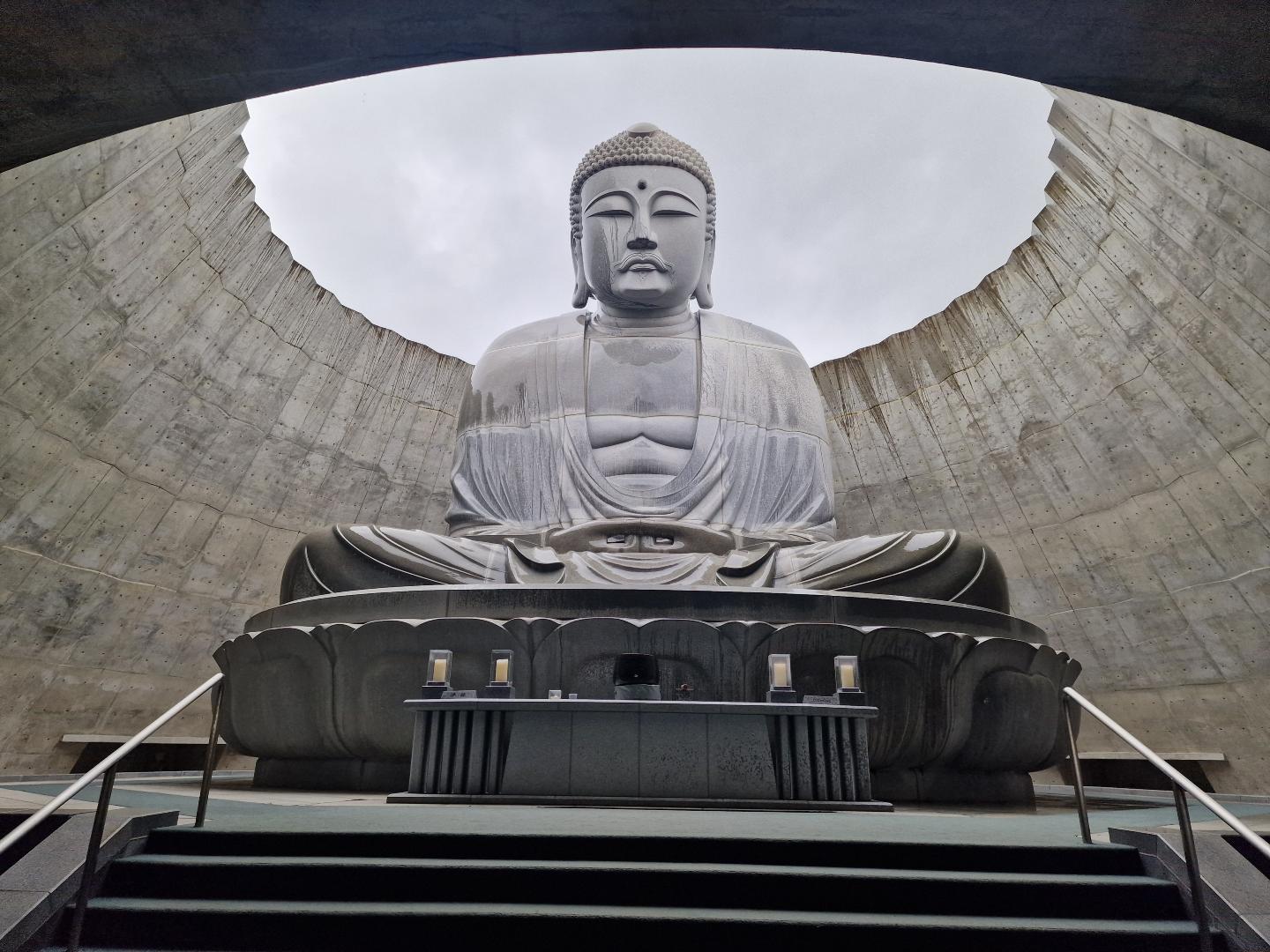 It’s pretty cool standing so close to something so huge
Of course we had to visit Upopoy, the national Ainu museum. A great place to learn about Ainu culture, but a lot of it is in Japanese. We attended a puppet show for children, and we kinda understood the fairy tale.
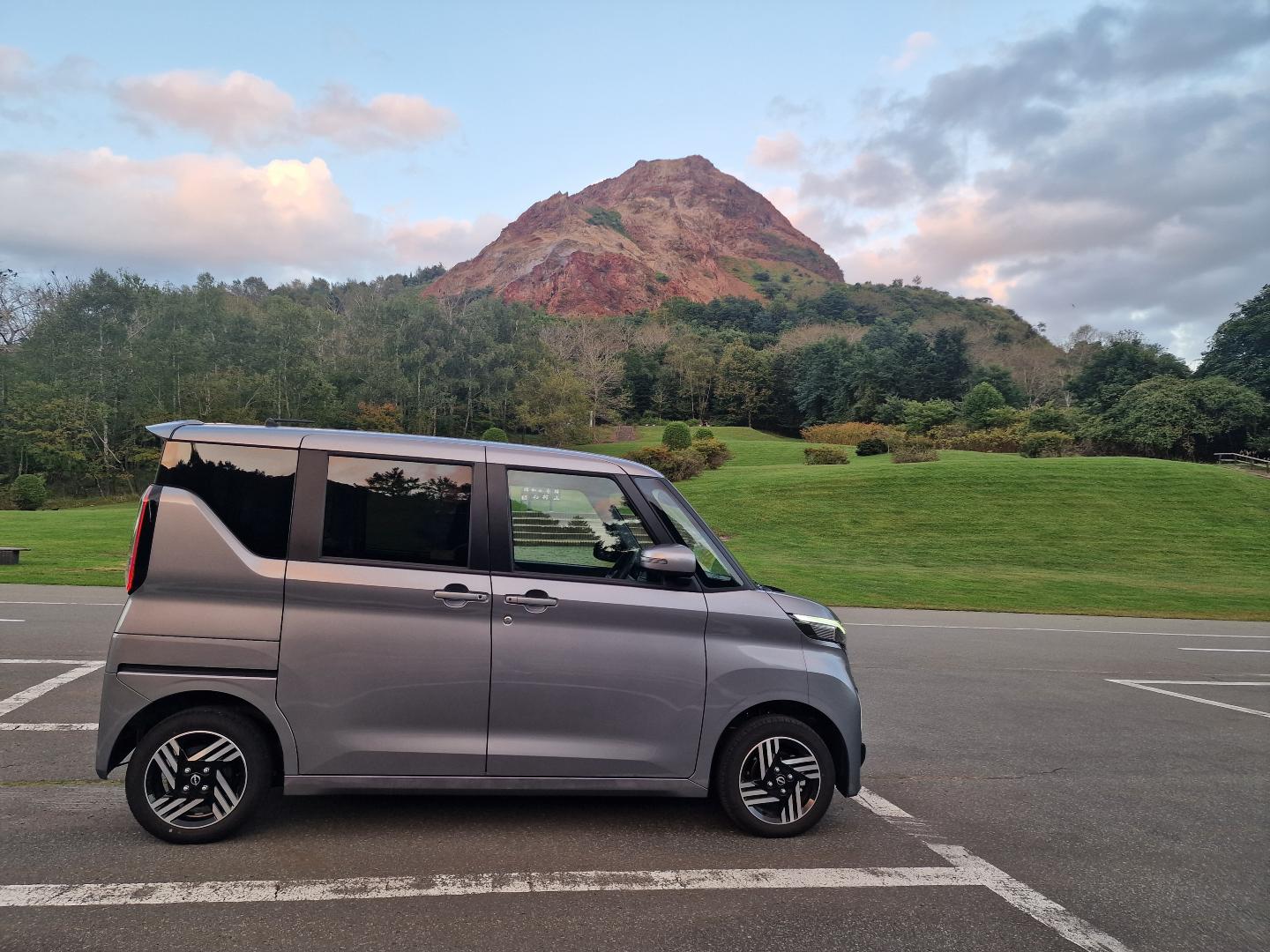 I love driving around in these small cars, but not the best for long drives
We also visited the Historical Village of Hokkaido, which is a “town” with buildings from all over Hokkaido that have been moved down to this museum. If you watch the Golden Kamuy TV-show, you will see a lot of scenes from this village.
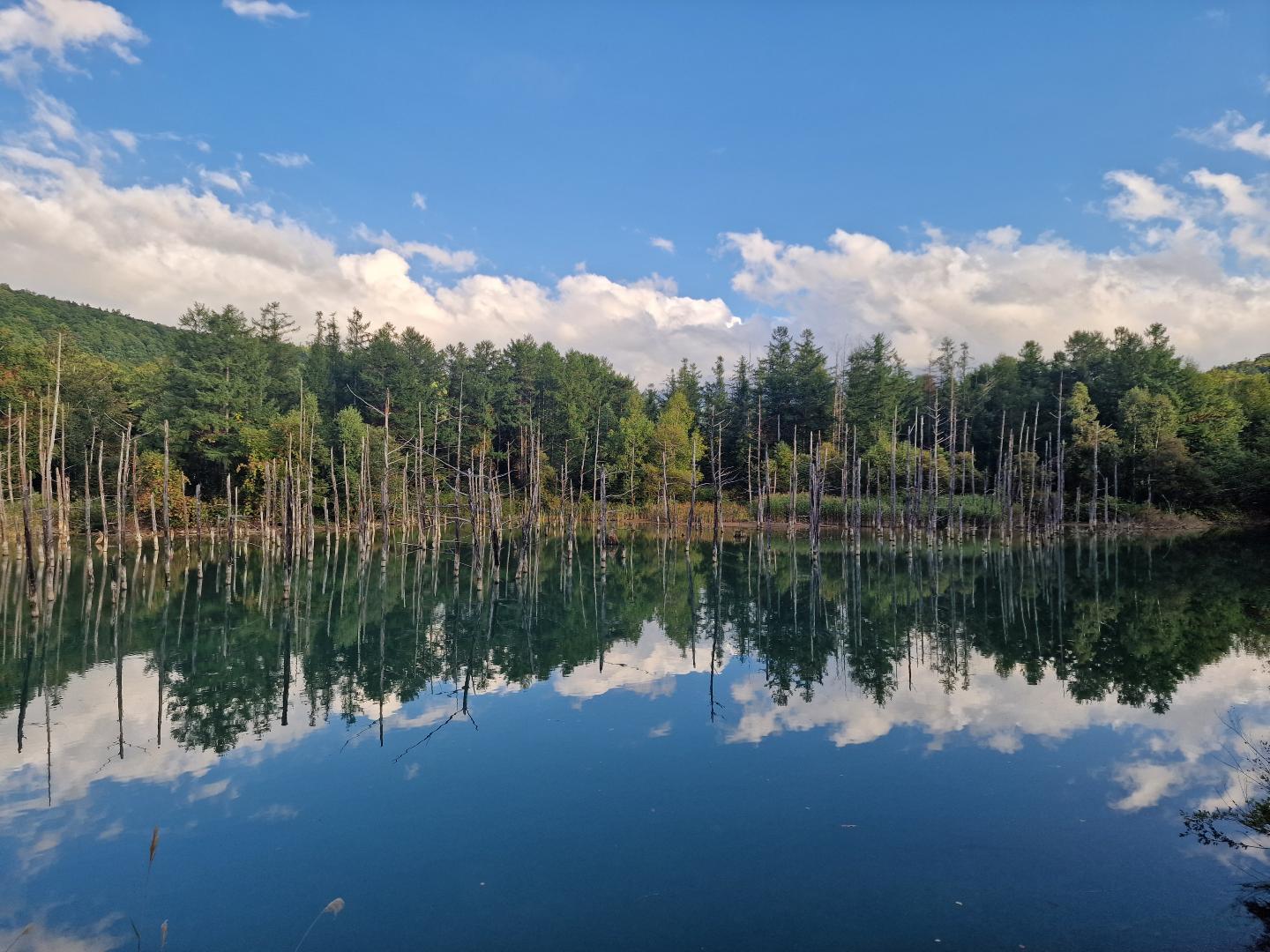 Mandatory visit to the Blue Lagoon, not as blue today
Another highlight from Hokkaido was climbing Asahidake, the tallest mountain in Hokkaido, at 2,290 meters. The weather wasn’t great, and we postponed the climb for a day for some better weather. Most of the trip up we were walking in a fog, with a strong tailwind. The top was freezing, and overcast, so we really had no view of the surrounding area. Luckily it cleared up a bit when we were heading down.
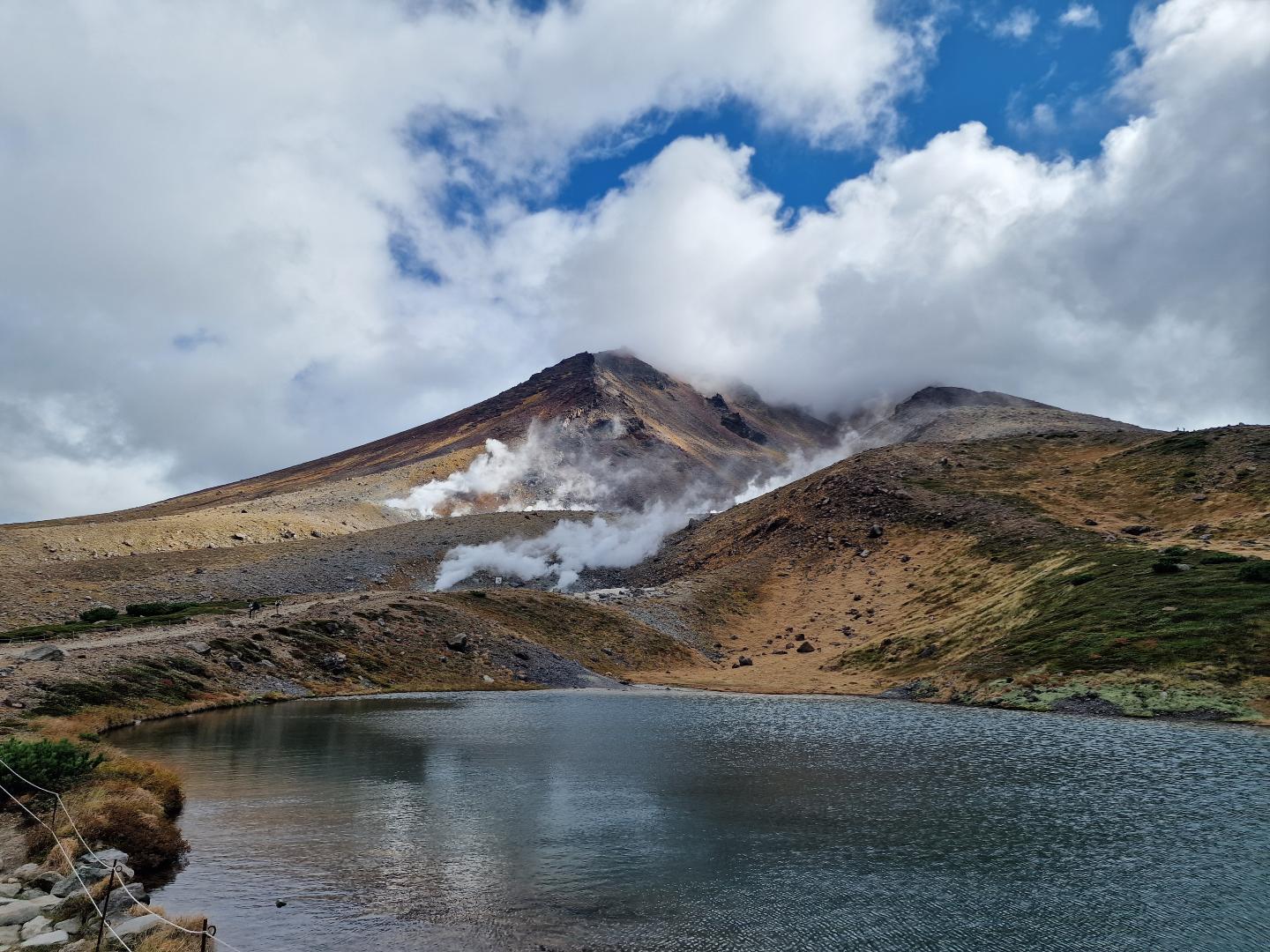 It’s a beautiful mountain, would be great for skiing in the winter
On the way back to Sapporo we made a short stop at the Melon Kuma, the famous mascot of Yūbari city. Melon Kuma is a bear with a melon head, supposedly usede to teach children about the dangers of meeting bears.
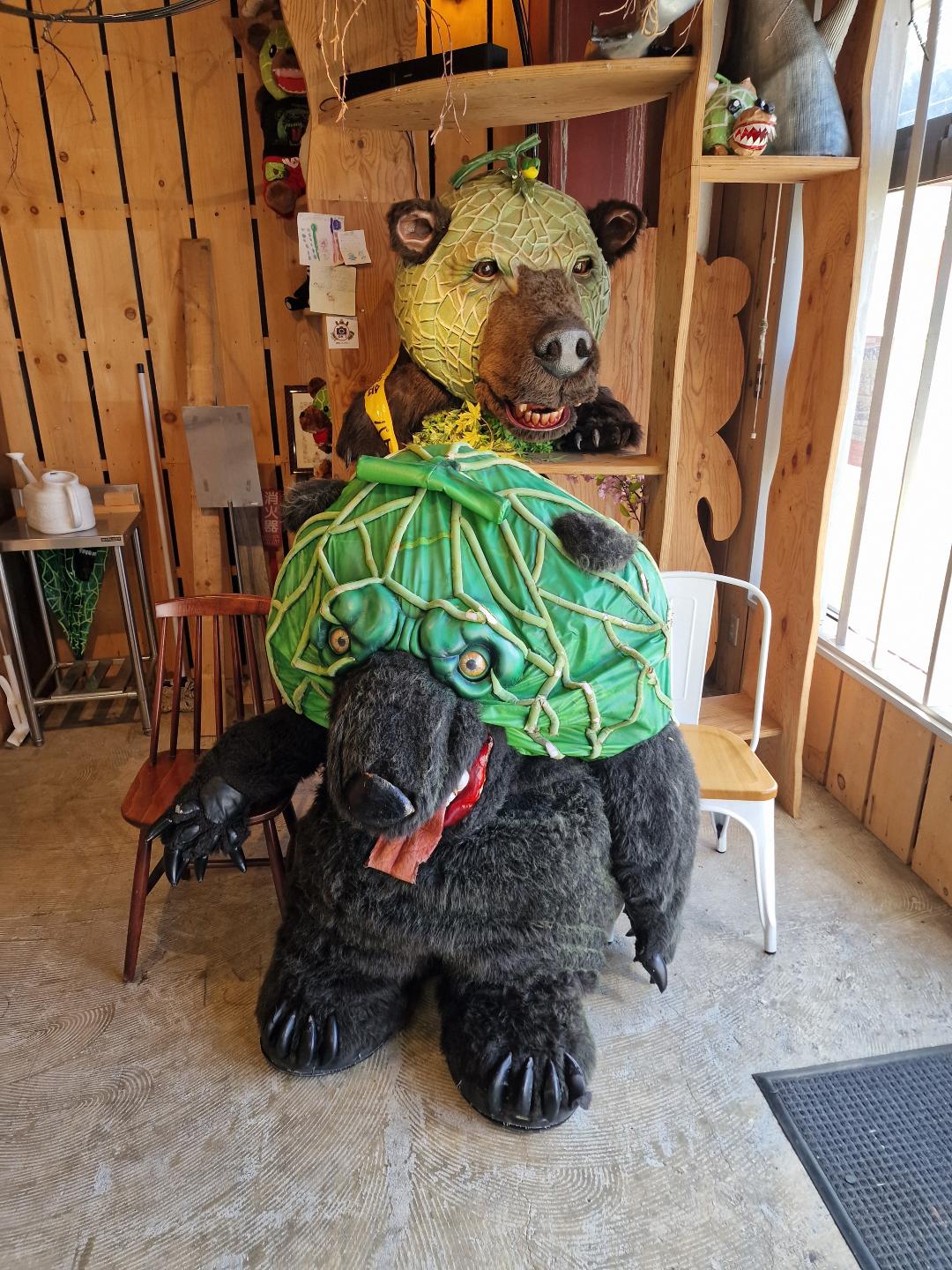 It kinds looked more terrifying without someone in the suit
September 20th to 22th - Last days before I ride again
In Aomori we took the Tōhoku Emotion, which is one of JR East’s several Joyful train rides you can take. Emotion is a food train, where you eat dinner on the way to Kuji, from Hachinohe, and on the way back they serve dessert. It was a really fun experience, and I would like to try the other types of Joyful trains too.
We were also so lucky to catch a parade in Kuji the short hour we had there before the train returned.
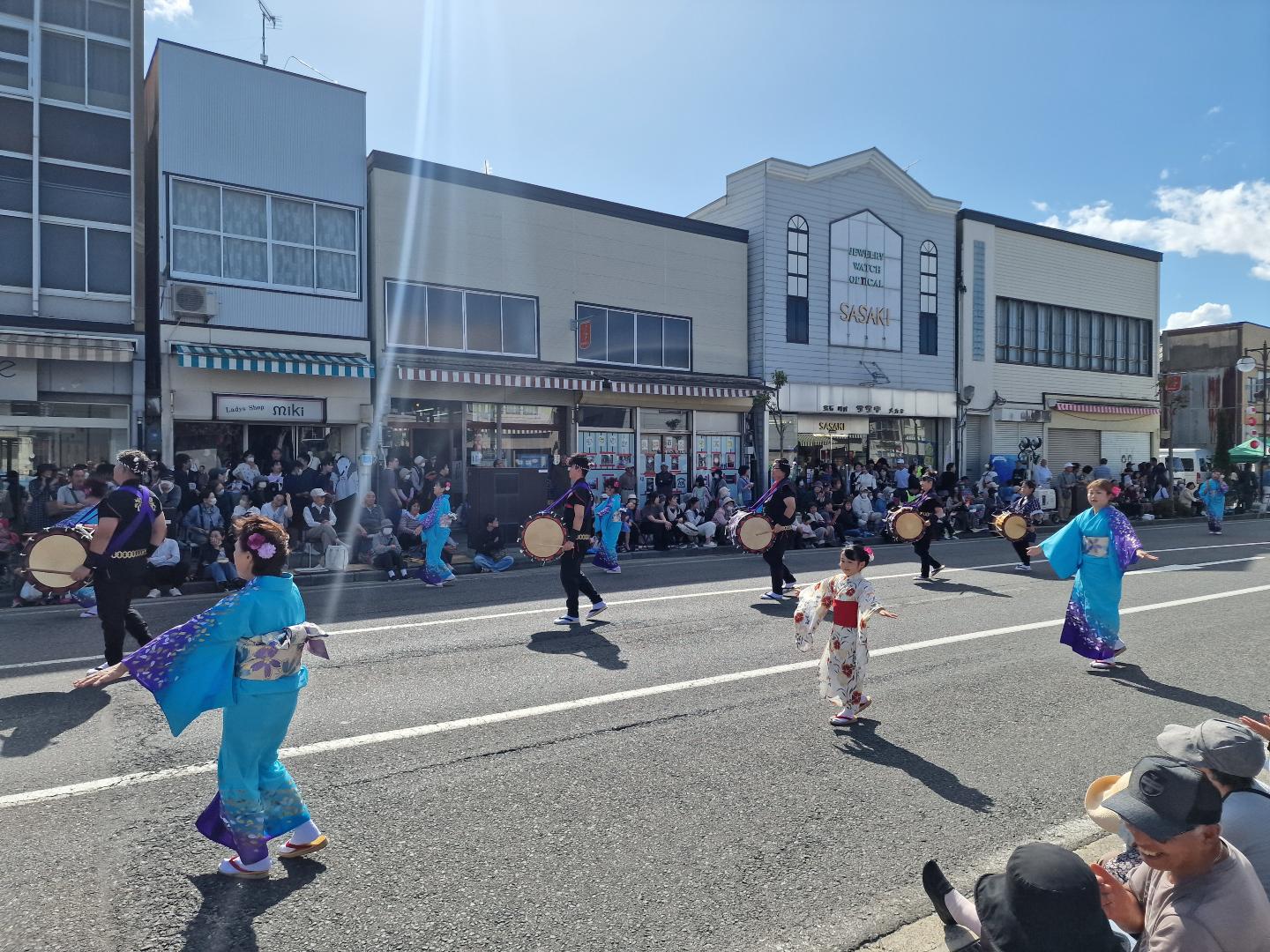 There where a lot of people joining the parade